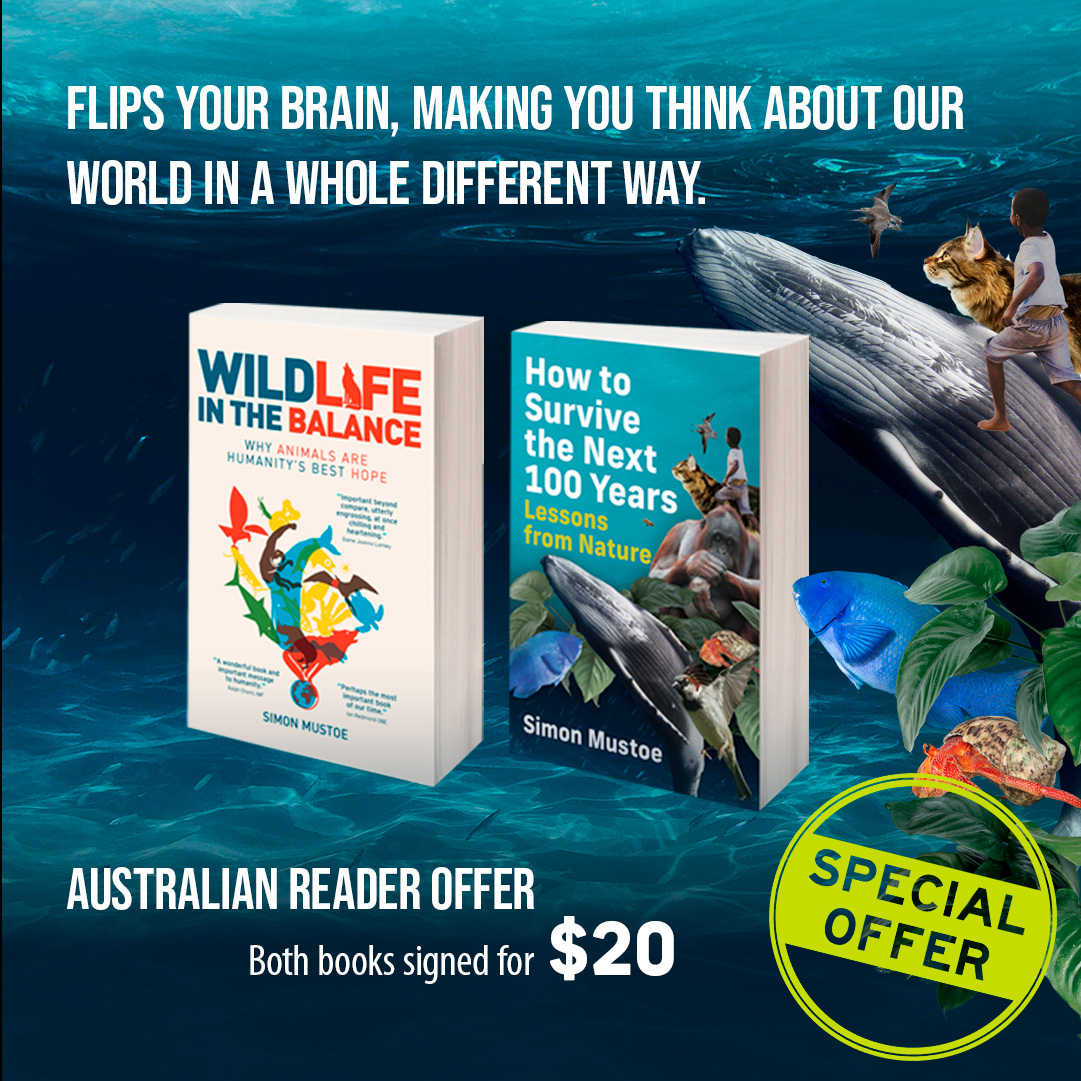

70% off both books
*Author Signed* just $20 +$10 P&P
This offer is only available to Australian subscribers while stocks last. After entering your details you will be sent to a purchase page and also emailed the link.
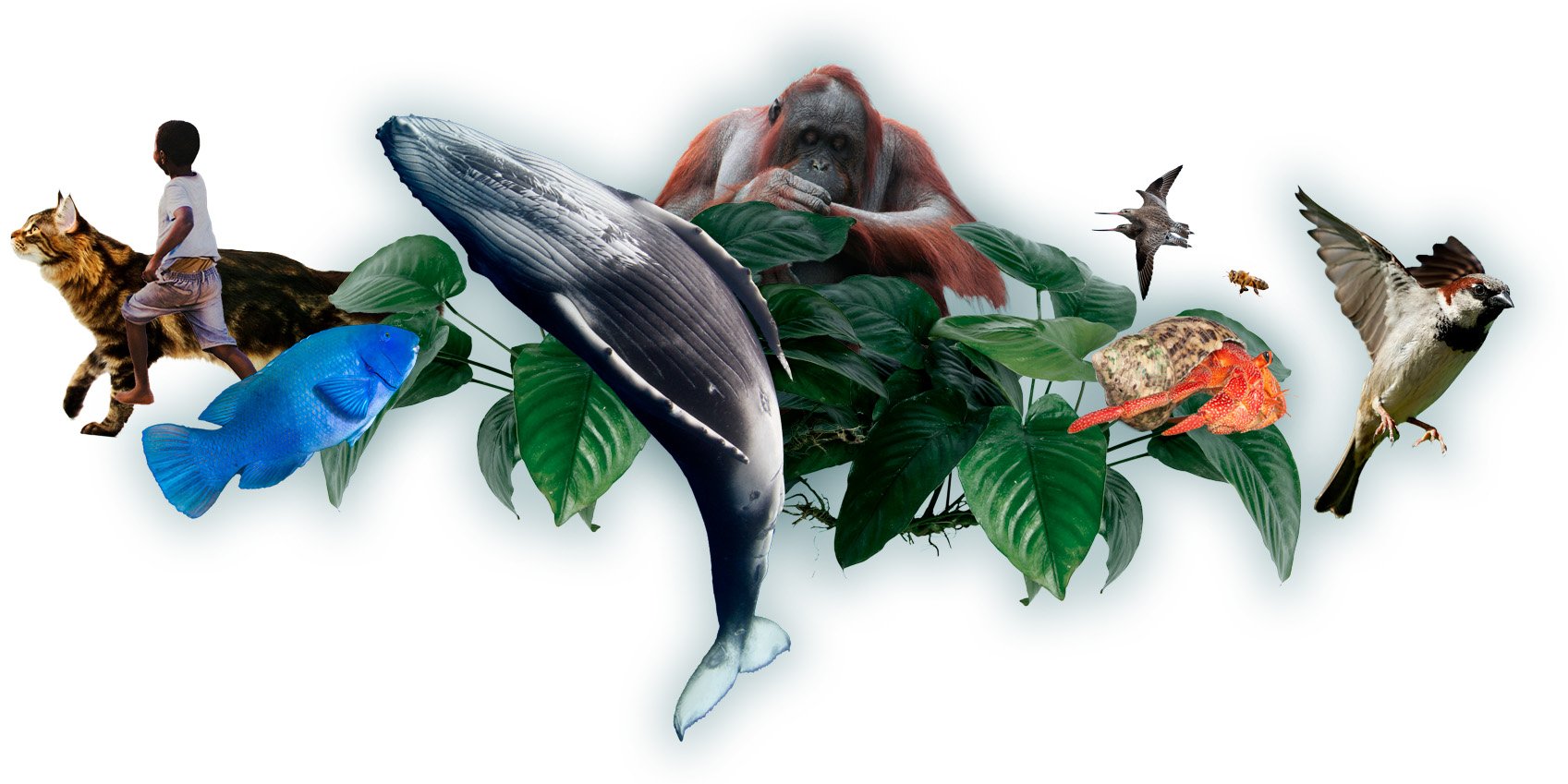
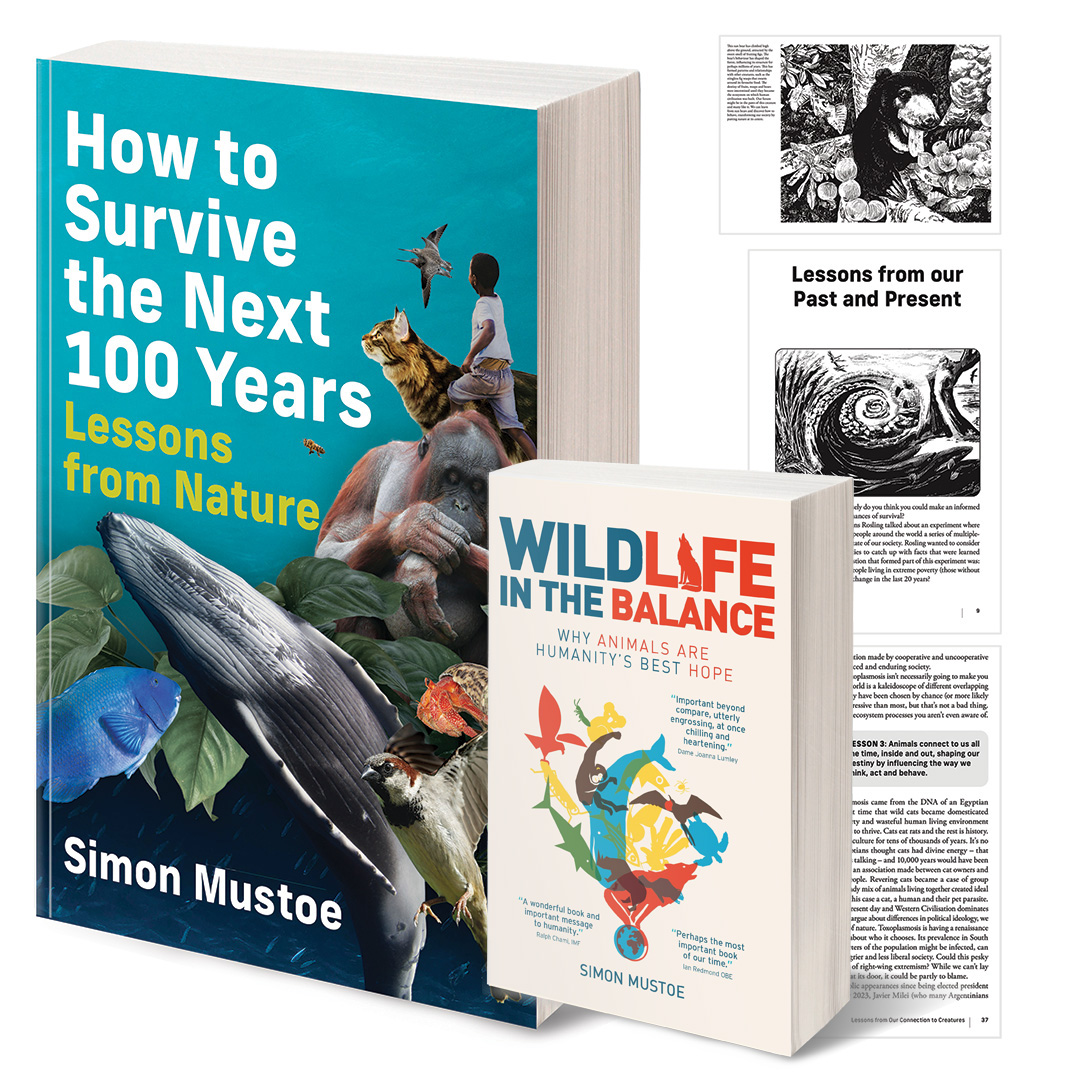
Described as ‘the perfect antidote to feeling helpless in the face of seemingly unstoppable global events’ (Dr Jen Bowden, Curtin University), How to Survive the Next 100 Years: Lessons from Nature will teach you how to consume a more balanced variety of knowledge to become healthier and happier by reconnecting with nature.
‘I felt a lot more positive’, ‘it was inspiring and fascinating’ and ‘my kids should read this’ are among many reader comments.
This is not another wellness book filled with platitudes ‘it really does have the answers’, says Alex Taylor of BeNatureful ‘it flips your brain and makes you think about our world in a whole different way.’
Readers will discover heartening, amusing and altogether thought-provoking and original stories about why cats can make us too conservative (or just enough); and grasshoppers, eels and blue gropers teach us to solve global obesity and food crises.
This might just be the most important book you read this year.
Buy it now and take lessons from nature about the power of your relationship with animals, and discover how we may already be on our way to rebuilding a healthy, habitable planet.
Praise for How to Survive the Next 100 Years: Lessons from Nature

Oswald Schmitz

Todd Hoskins
Keggie Carew

Carl Safina
Anissa Lawrence

Alex Taylor
How and why did I write these books?
For a long time I’ve questioned why animals matter. On the quest to answer this, I had to revisit almost everything I’d been taught about ecology. What I discovered was the driving force behind almost everything we take for granted. Our very survival depends on surrounding ourselves with an abundance and diversity of animals. Finally our world makes sense and writing this book has redefined the way I can make a difference. I hope it will help you too.
My first book left me feeling positive but that’s not the case for everyone. The western world has become flooded with negative news and most of my friends despair. However, this doesn’t reflect the resilience, feelings or behaviour of people and animals in the more remote places I go. Uninhibited by algorithms, they tell a different story. I wrote the second book to bring these anecdotes to life and show people what I have learnt. Because there is more truth in the good things of the world.

Wildiaries
I started Wildiaries for a new of seeing rare creatures, wild places and people’s place among nature. The writing, illustrating, expeditions and research that feed into the books have helped me to transform the way I can lead conservation projects and create lasting outcomes for communities and wildlife.
Original Artwork by the Author
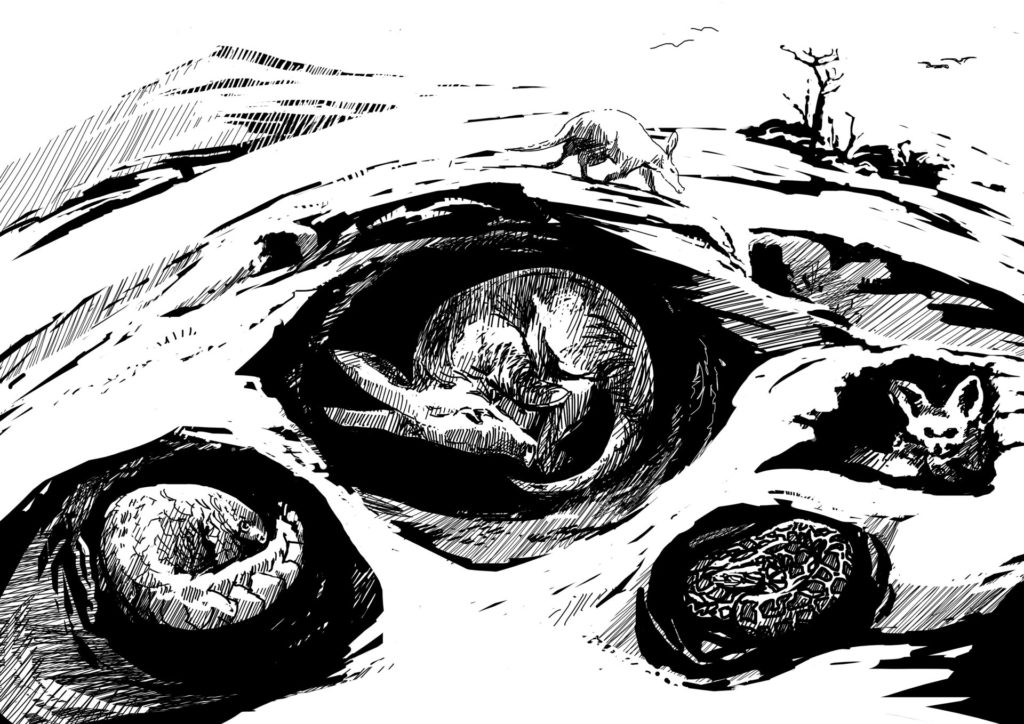
The Aadvark has shaped geology for millions of years.
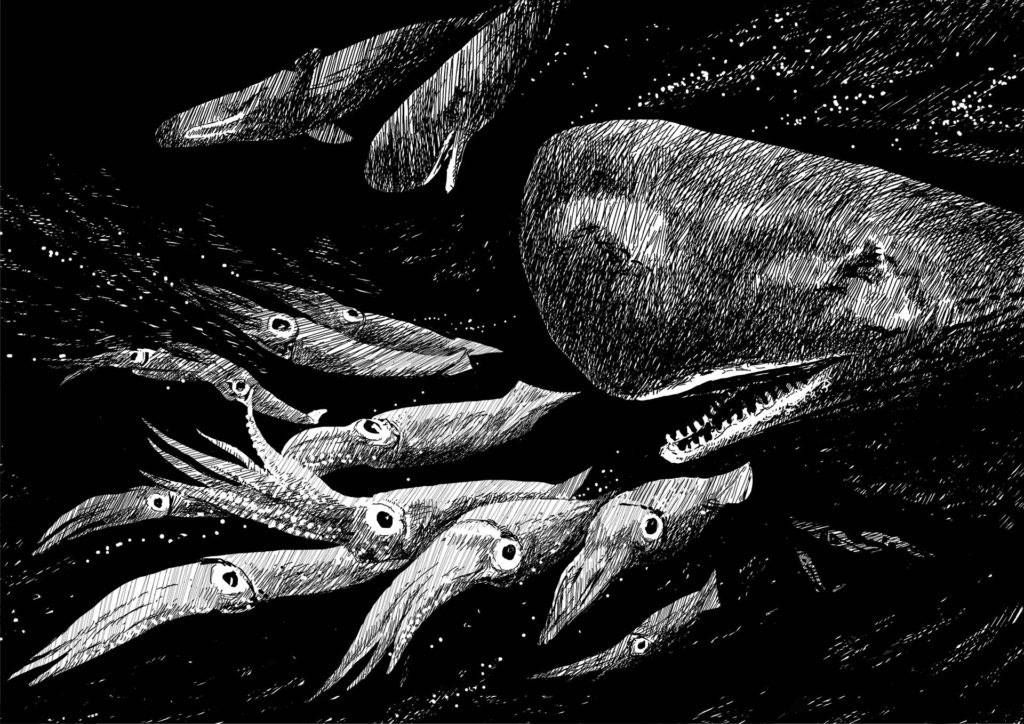
Sperm Whales shape entire ocean ecosystems and climate-ocean coupled systems
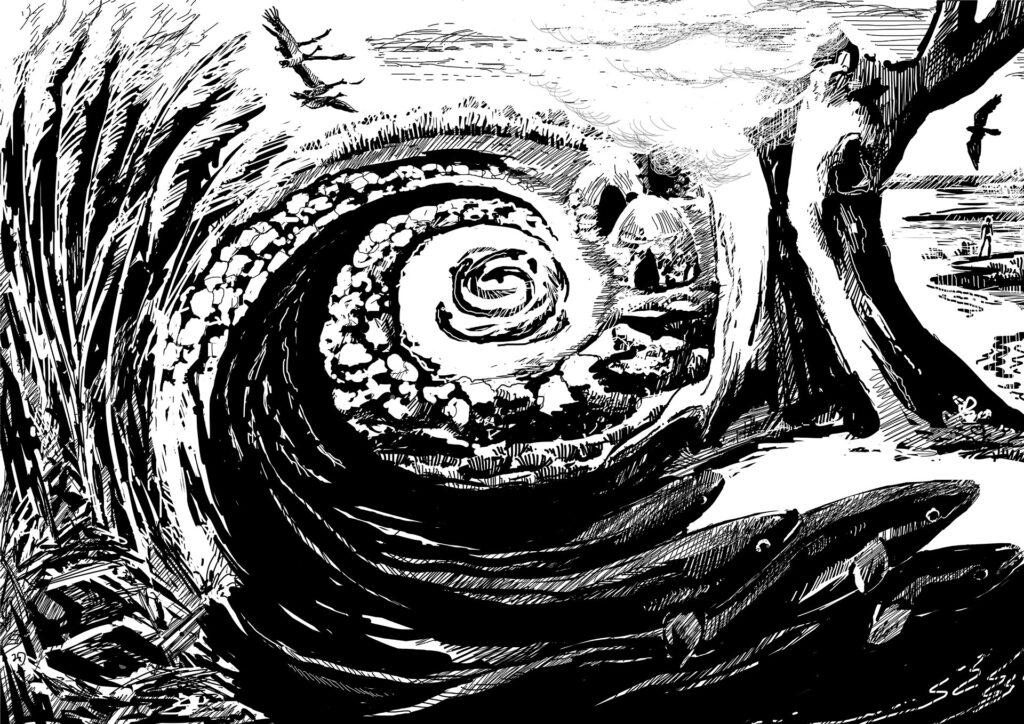
Budj Bim represents a living, working nature-based human economic system that thrived for 30,000 years old.
Lessons from Nature
For everything our society does, there is a corresponding lesson in nature that can be learnt.
Shifting your mind away from worry and seeing wildlife with new eyes, is the key to restoring that ability. Because it’s endemic to our brains. We are hard-wired to know how to make wise decisions. Once you relearn to take lessons from nature you will start to feel safer. You will see the power of nature to restore and your role within that.
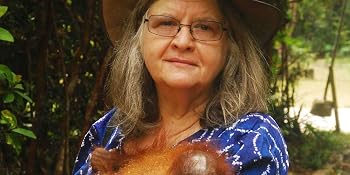
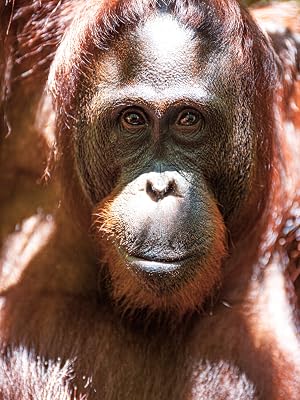
… more significant than walking on the moon
Over time trust was established and he allowed her to approach him and get closer than perhaps any orangutan had ever voluntarily allowed a human – but not too close … Biruté was on the cusp of a change in the relationship between humans and Planet Earth that signified the interdependence of species.
[Photo by Simon Fraser, cc-by-2.0] .
Publication date: 1 May 2025
ISBN: Paperback 978-0-6454535-8-4 | Hardback 978-1-7638130-0-7
Imprint: Wildiaries publishing
Dimensions: 6.14 x 9.21” (234 x 156mm) Pages: 240
Genre: Popular science / non-fiction
About the Author
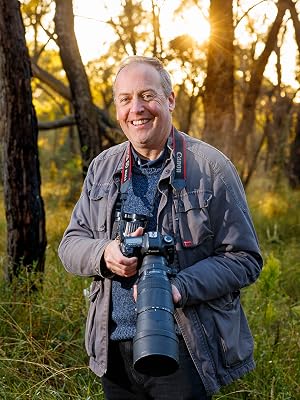
Simon Mustoe is an ecologist, artist, expedition leader and naturalist with a passion for connecting humans with the natural world. He’s tumbled in boats amid frigid north Atlantic storms, trekked solo into Madagascar’s remote dry forests and sailed the archipelagos of West Papua. As a teenager he helped produce BBC nature documentaries and as an adult he has worked with some of the world’s leading conservation, wildlife and ecology organisations. His first book, Wildlife in the Balance, received critical acclaim from the likes of Dame Joanna Lumley and Ian Redmond OBE. He lives in Melbourne, Australia.