

How did life begin? I was inspired by a video posted online [1] that accompanies a new paper showing tectonic plate movement over the last billion years. It’s always interesting …
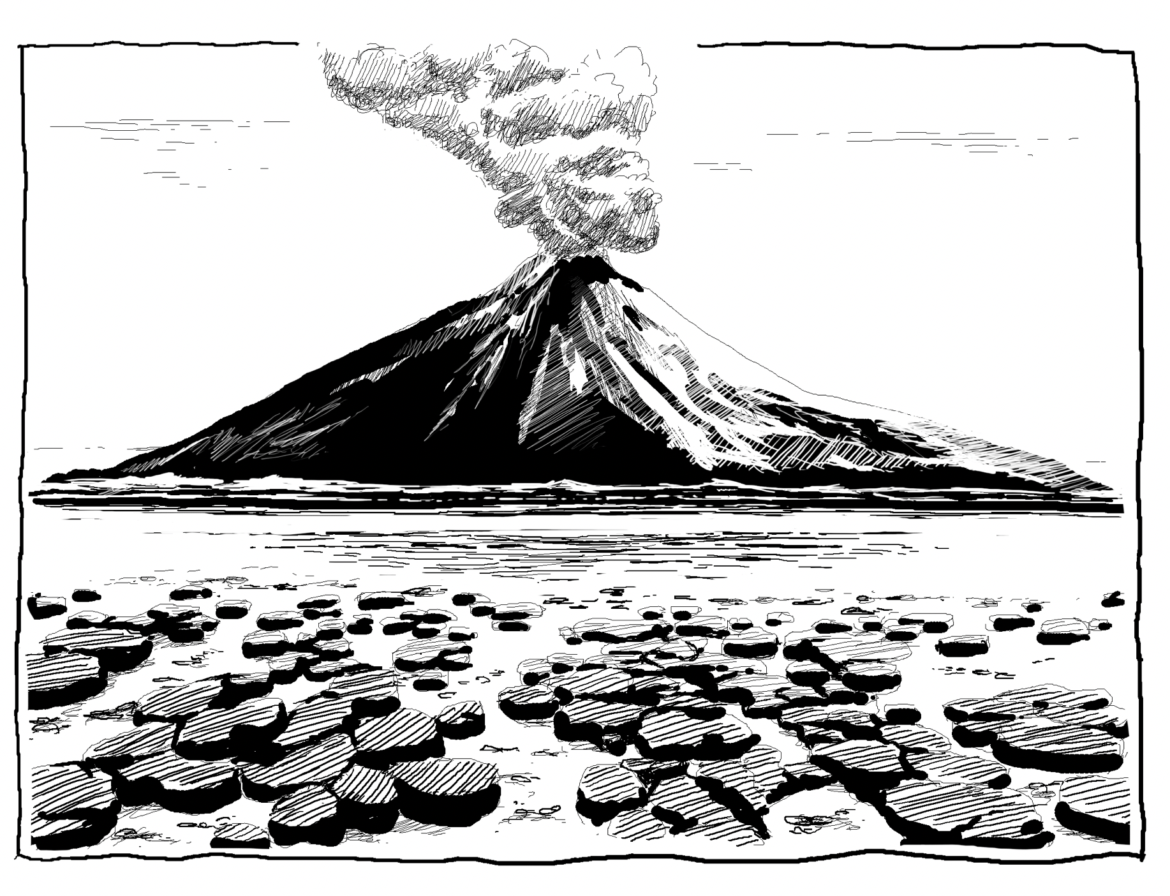
How did life begin? I was inspired by a video posted online [1] that accompanies a new paper showing tectonic plate movement over the last billion years. It’s always interesting …
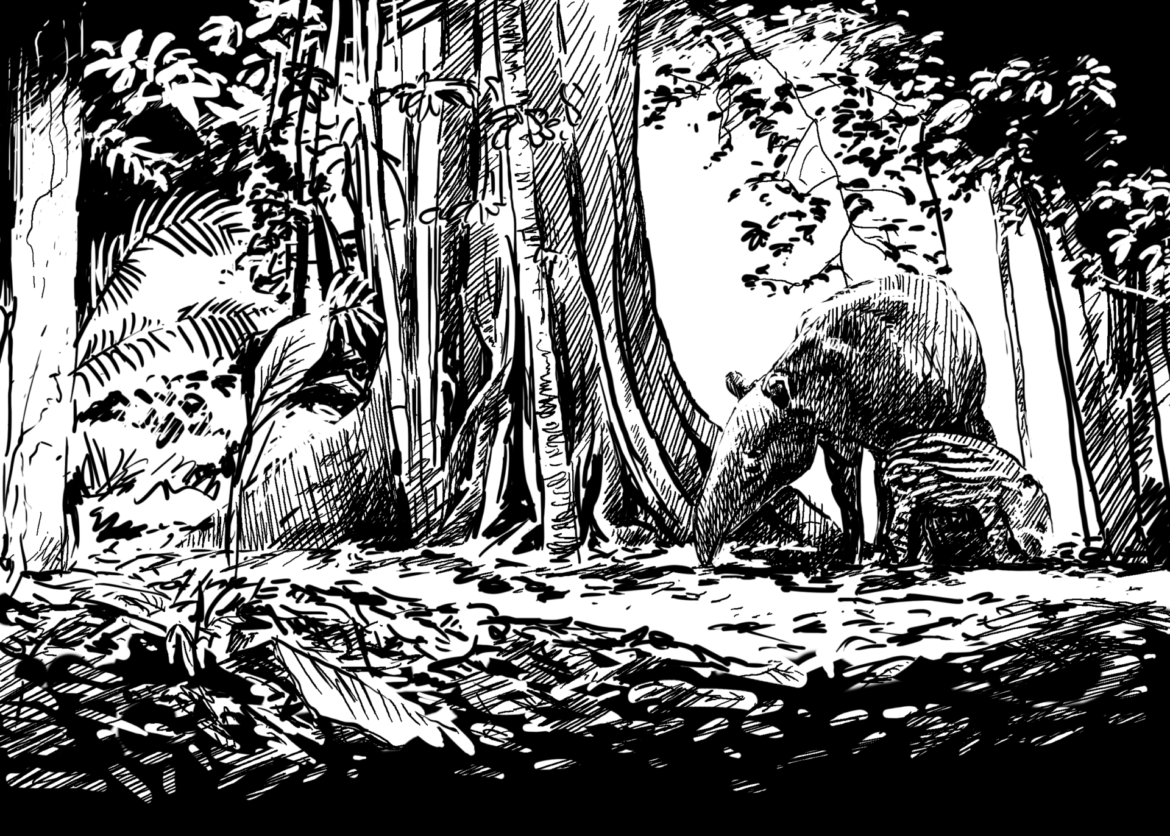
A study recently published in the journal of Functional Ecology shows us how large fruit-eating animals can be responsible for massively enhancing forest nutrientA substance that contains the raw materials …
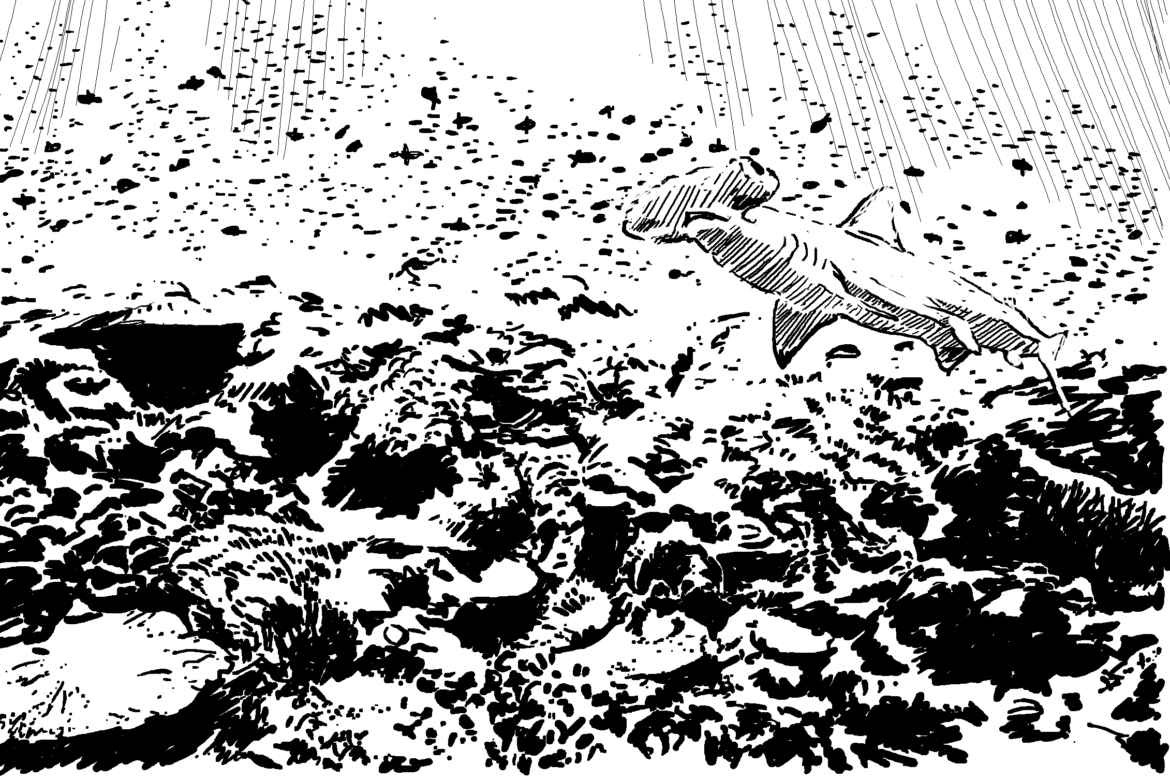
Ecology is a complex science and so often, our simplest assumptions about how things work, don’t hold up in practice. Take sharks for example. How do you reduce shark attacks? …
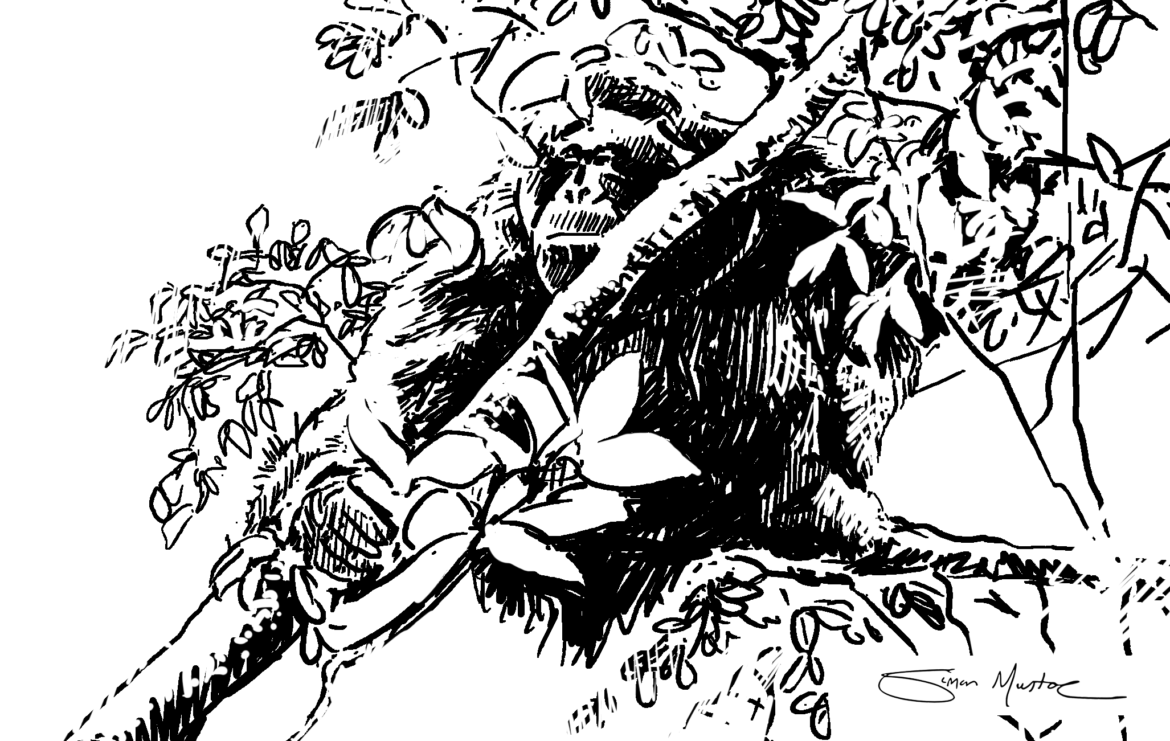
It’s inevitable that at some stage, someone will say to me “why are you making animal conservation all about humans?” I sympathise with this view. When I see the suffering …
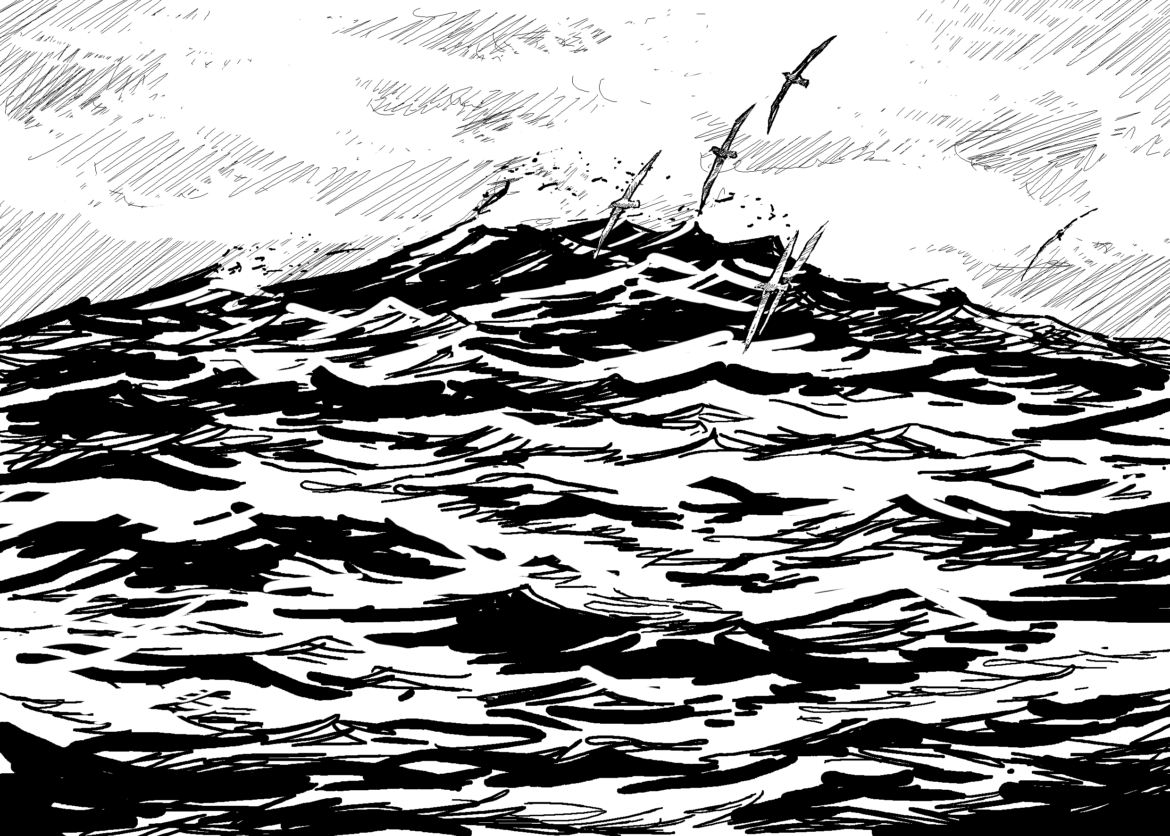
During the last ice-age 20,000 years ago, there was a particularly cold period. Scientists have thought this might have had to do with an influx of iron into the Southern …
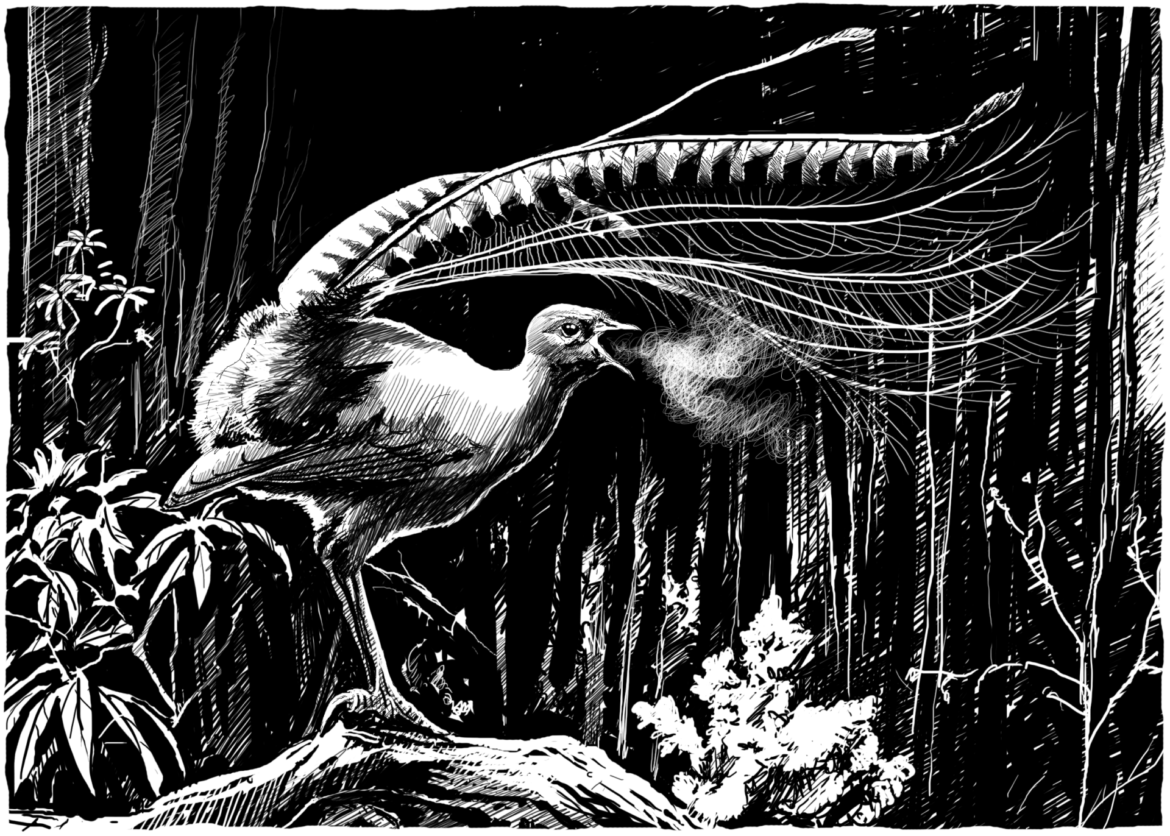
Lyrebirds will make a few appearances in my forthcoming book. Mostly because they are are an outstanding and visible indicator of animal impact and the origin of most of the …
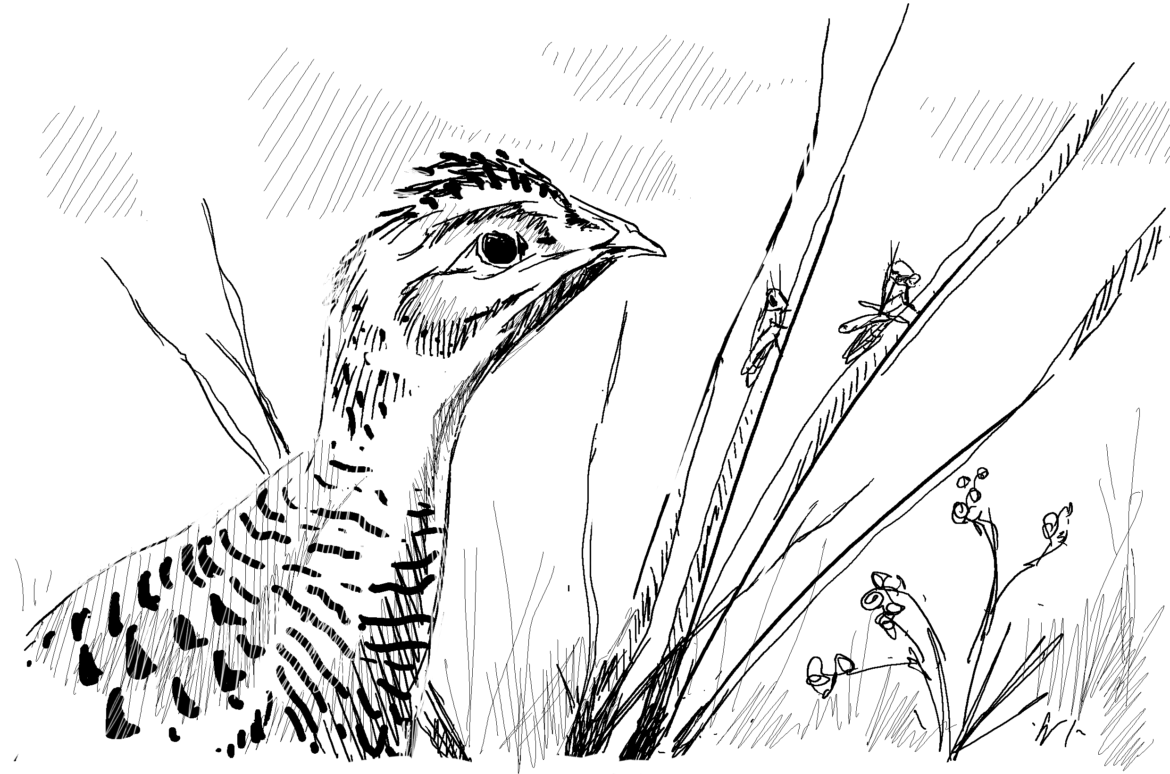
A new paper published in the journal Ecological Indicators proposes that we use indices of species’ potential range to inform conservation status (Mason et al, 2021). Findings like these should …
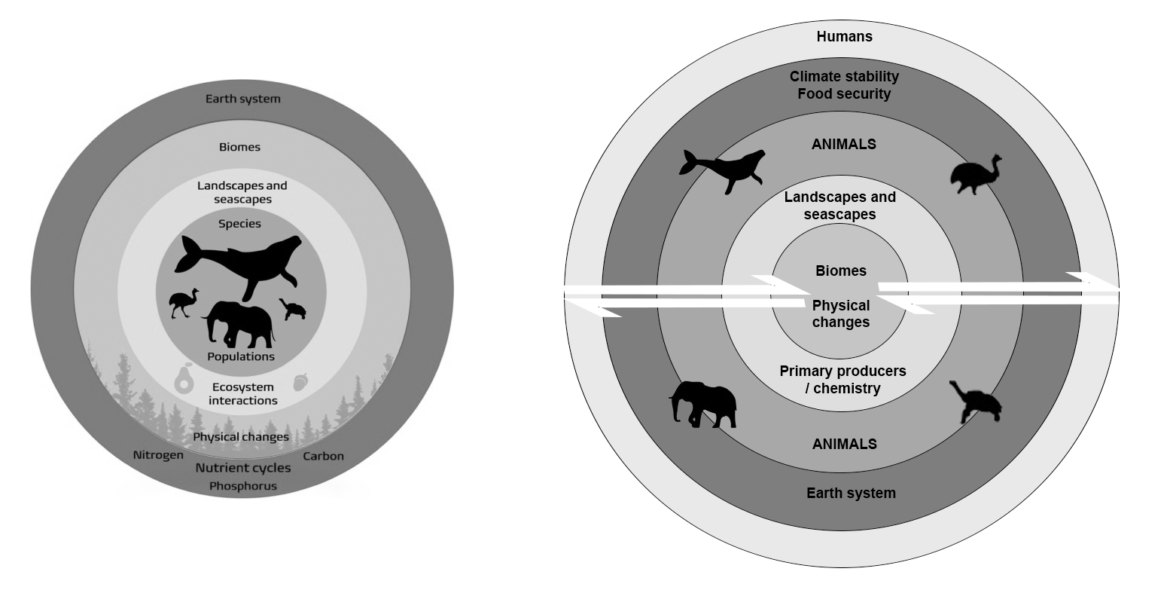
A recent paper published in Trends in Ecology and Evolution sets out the increasing evidence that loss of large vertebrates in particular, is having massive impacts on ecosystem processes. The …
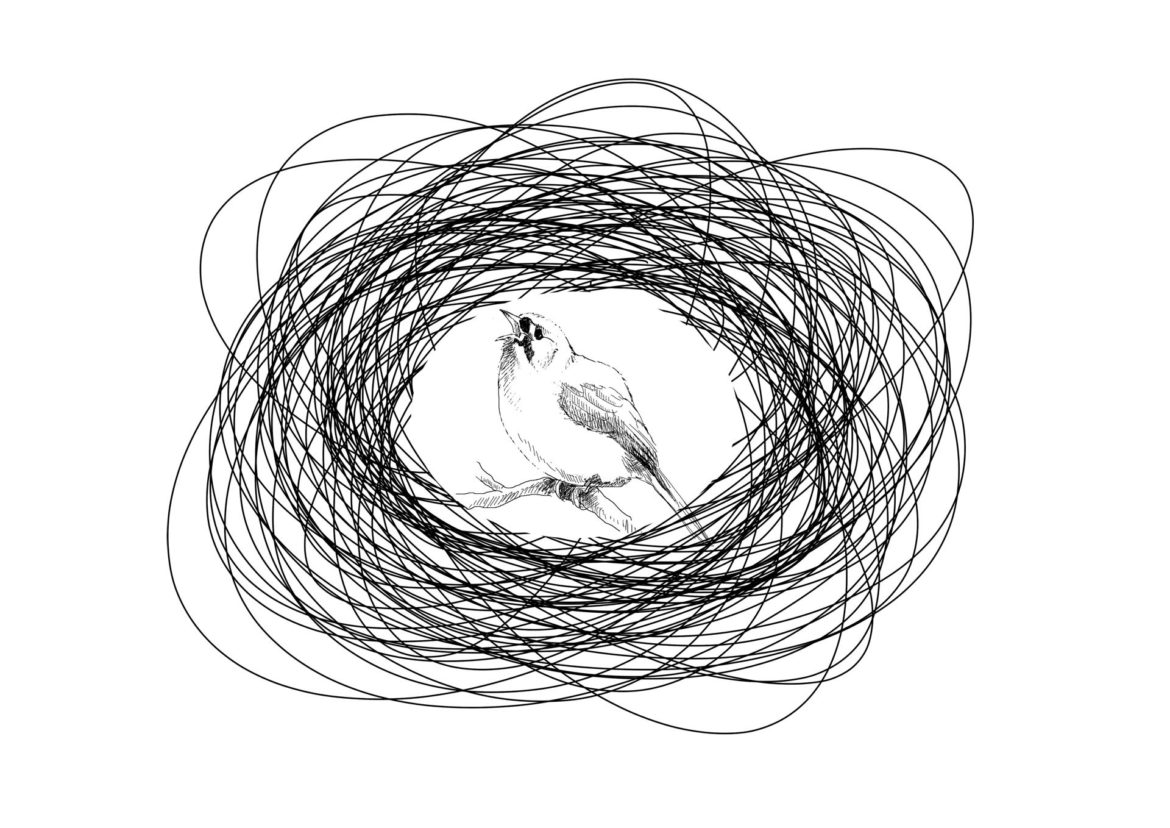
New research shows the impact of climate change on forests is to “scramble the biological clock of the forest floor“. The study shows how the change in timing of various …
The life-histories of insects and vertebrates are coupled. Predator and prey cannot exist without one-another. Species richness is higher in systems with predators [1] because they perform a function of …