Here is my trip report exploring Raja Ampat and Misool in April 2026, having just returned from an expedition on board Pindito with Wildiaries. For many of my guests this was the first visit. We began in Misool, a place of mythical importance for marine life. It’s a hard destination to reach and to spend a few days there getting ‘under the skin’ of Raja Ampat was extraordinary and special. Then we proceeded north into Central Raja Ampat. Being slightly on the shoulder season, we hardly saw another vessel. This is in contrast to earlier in the year, when there can be dozens of boats at each site.
You can flick through the whole day-by-day trip report below. I’ve broken this down into highlights in the body though, as we saw simply so much! There is nowhere else on Earth that delivers an experience like Raja Ampat.
We do still have one female shared spot on the Misool / Banda trip this November. After that, our next trip is to the fabulous Komodo region ex Bali. For more info, visit https://wildiaries-travel.com/.
The cover of the report is a Soft Coral Cowrie. These tiny sea shells are exquisitely camouflaged and we usually find them deep. But this one was in only about 50cm of water.
Phenomenal reef diversity
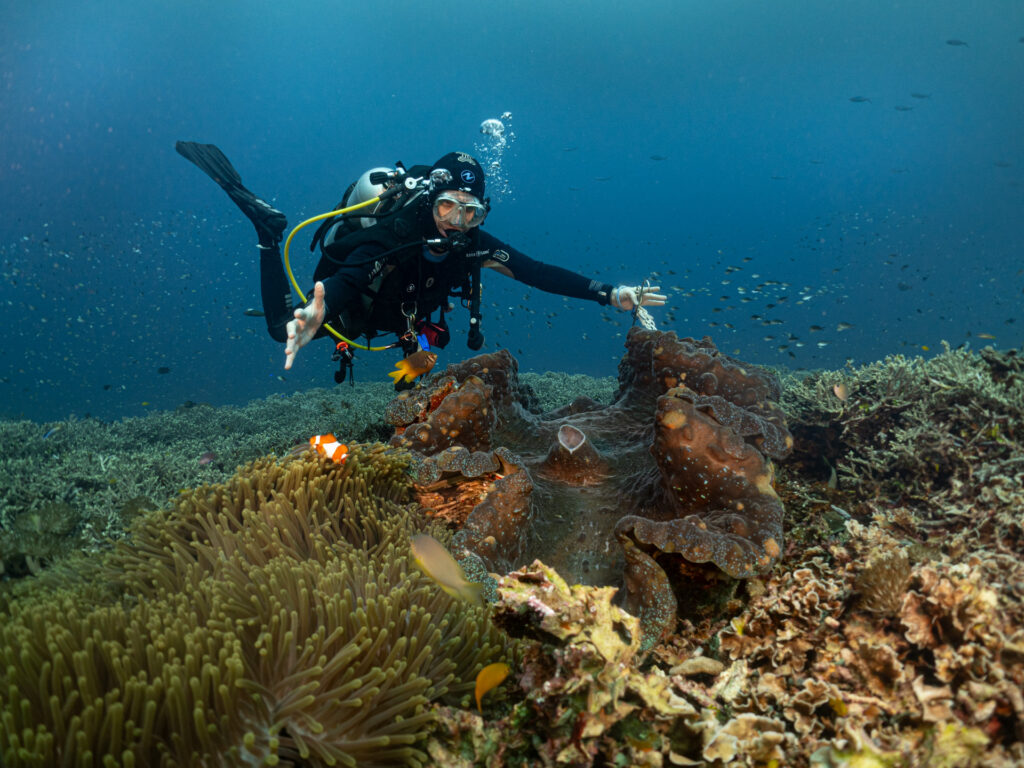
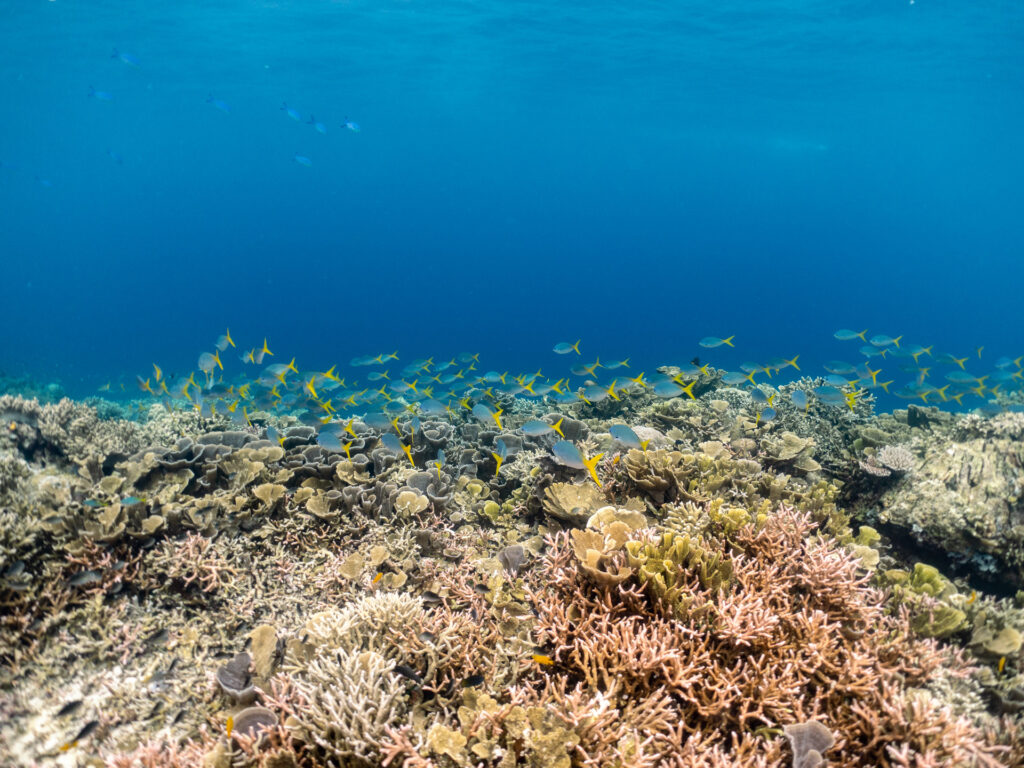
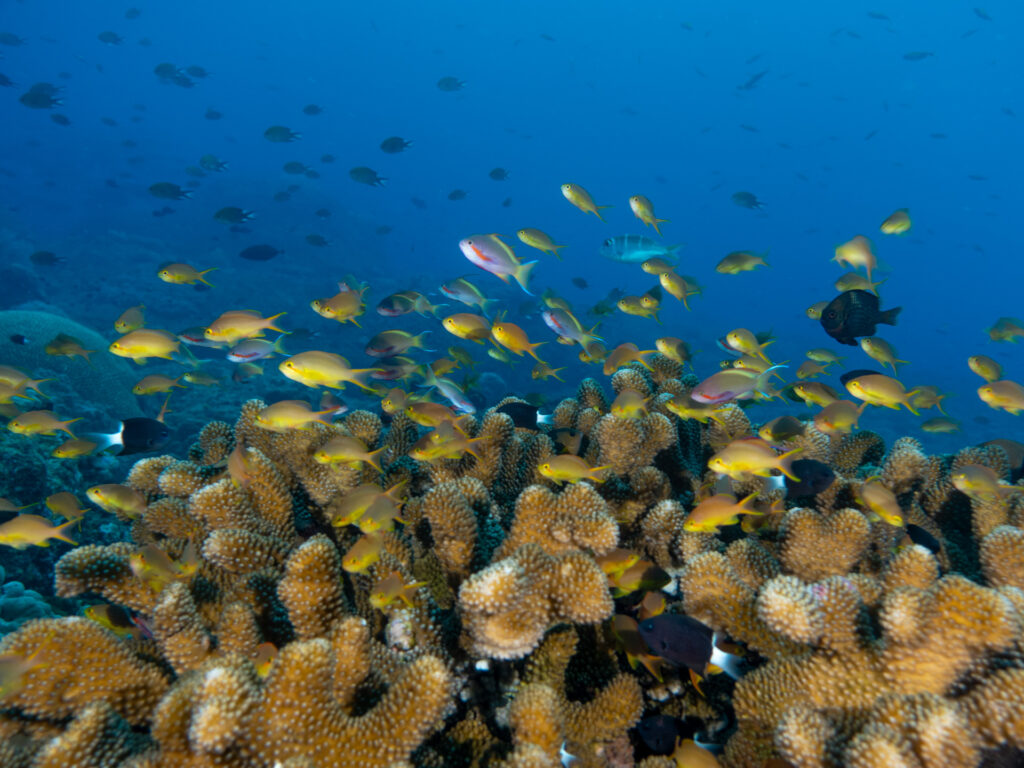
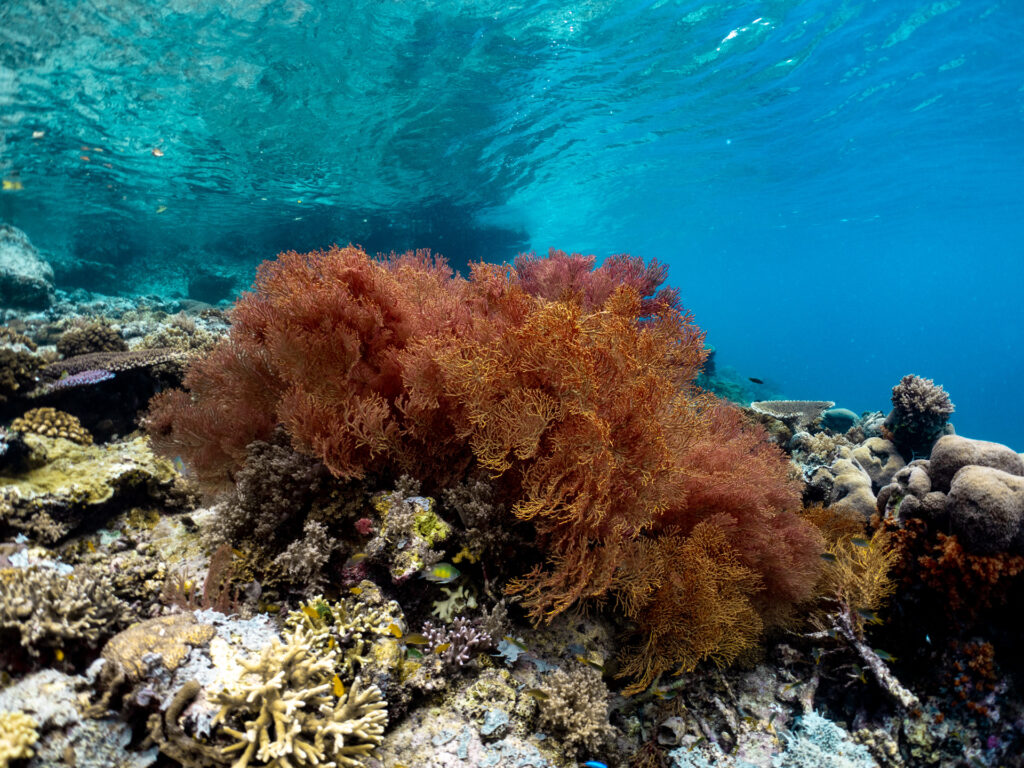
There is nowhere in the world with this diversity of reef. Travellers can find this difficult to see at first. We’re too used to seeing wondrous pictures taken under flashlight in the deep. Or, we believe reef to be the same basic design of flat corals in the shallows. But here it’s different. Every corner has a unique assemblage based on subtle changes in currents, depth, aspect, sunlight, geology and biology. There are about 900 species of hard coral in the world and three quarters occur in the area we travelled. Add in the soft corals and every place you stop is completely different. Here are just a few shots of the diversity we encountered over the 10 full days exploring.


Oceanic Manta Rays
While we had to work quite hard to see Oceanic Manta Rays, Raja Ampat remains one of the only places in the world they are common to snorkel with. On our final days in central Raja Ampat we saw an Oceanic cruising out in deep water. Then on the last day, we had an amazing encounter near the island of Batanta with one Oceanic and a number of Reef Mantas.


Jellyfish Lake
Visiting one of the jellyfish lakes was a highlight. Perhaps for an hour or so, not a word was spoken. These lakes harbour endemic subspecies of a non-stinging Golden Jellyfish, Mastigias papua.
These jellyfish don’t consume their own food. Instead, they have a symbiosis with zooanthellae algae and they track the sun to make sugars using sunlight, carbon dioxide and water. The jellies provide the algae with some nutrientsEnergy and nutrients are the same thing. Plants capture energy from the Sun and store it in chemicals, via the process of photosynthesis. The excess greenery and waste that plants create, contain chemicals that animals can eat, in order to build their own bodies and reproduce. When a chemical is used this way, we call it a nutrient. As we More to enable photosynthesisMeaning how plants extract energy by absorbing water and using radiation from the Sun to combine it with carbon dioxide to create sugars. More and in return, keep about 90% of the food the algae produces. Just like in corals, this means the jellies can bleach white under warmer temperatures.
When we arrived there had been morning rain though. The jellyfish had sunk into the lake depths earlier but by the time we arrived, they were moving back into the surface as the sunlight seeped through the dark clouds.


Turtles
We saw lots of turtles and many here are quite tame. Hawksbills were more common in Misool, where they like to feed on the soft corals and anemones. Green Turtles are more regularly seen further north, with a number of large males that hang out around Saranderek jetty.


Bumphead Parrotfish
These enormous wrasse often go around in groups. They feed on coral, extracting its algae and consume over 500 tonnes each year. They are always a joy to see and perhaps a little more common on the outer islands of the southern Misool group.


Sharks
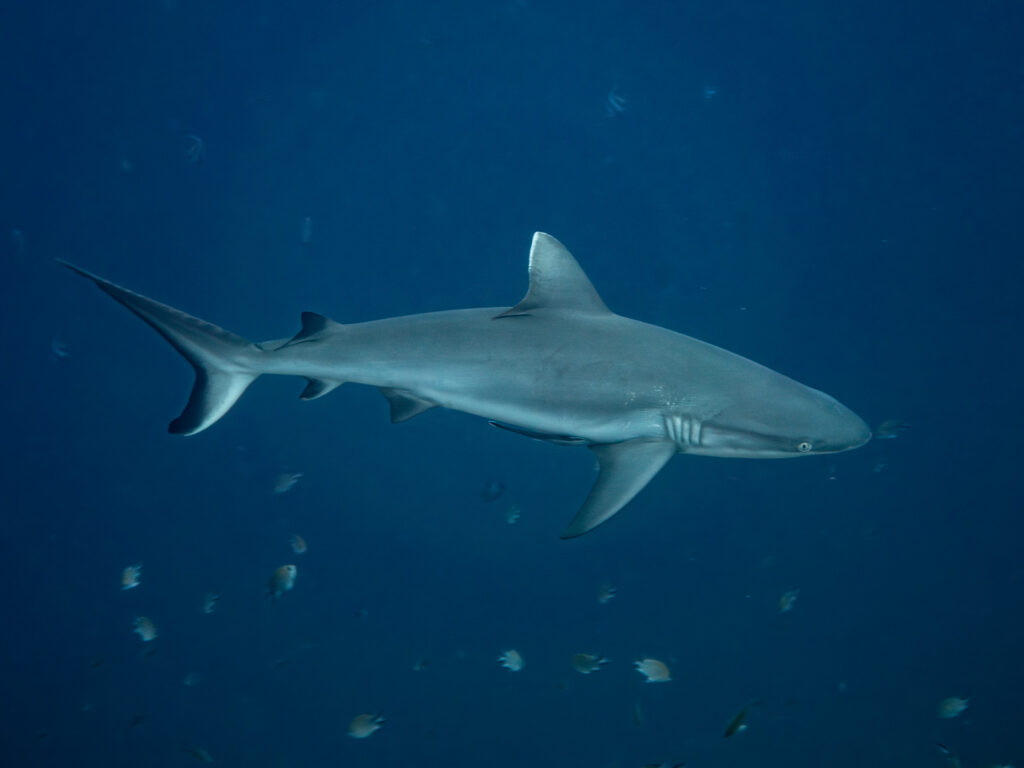
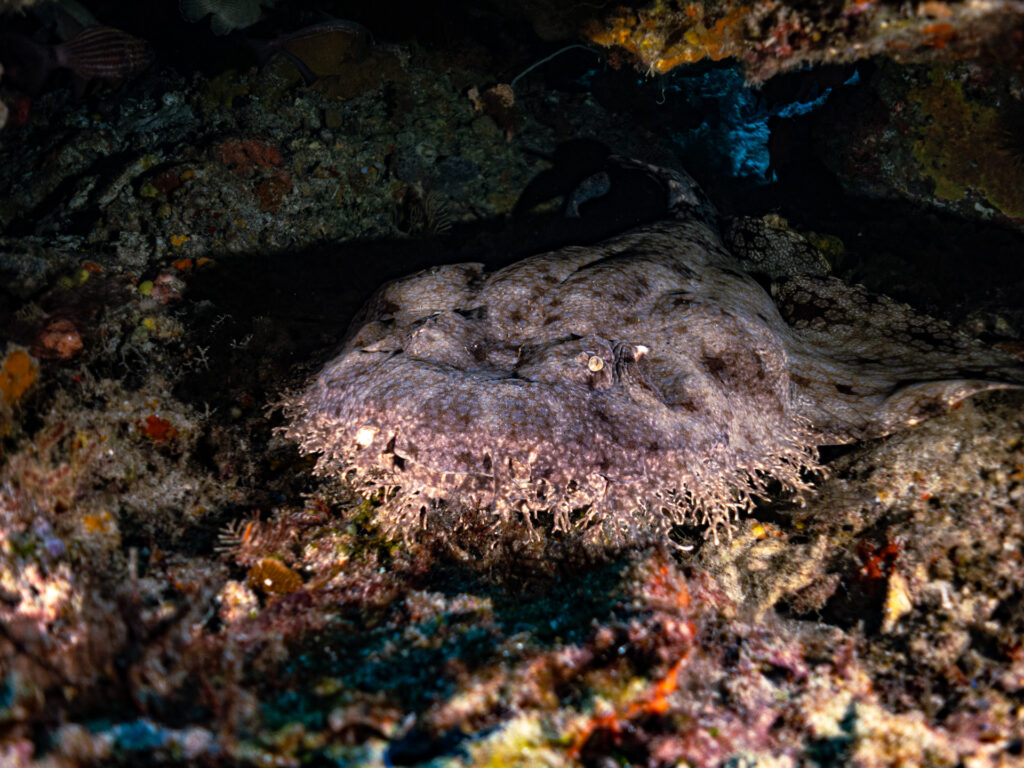
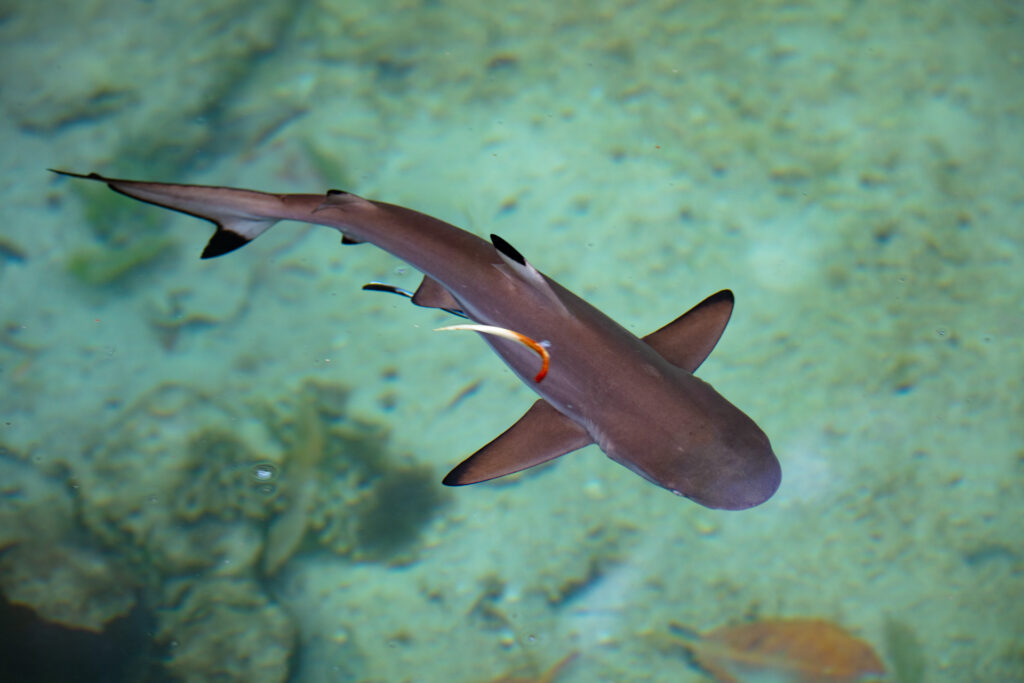
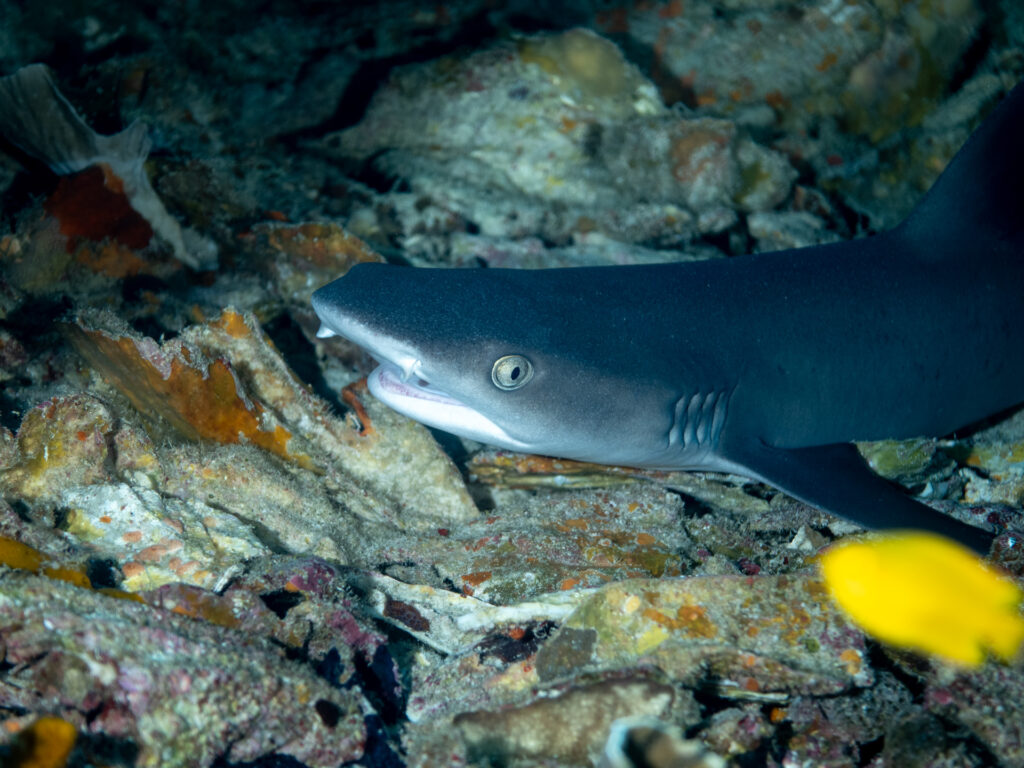
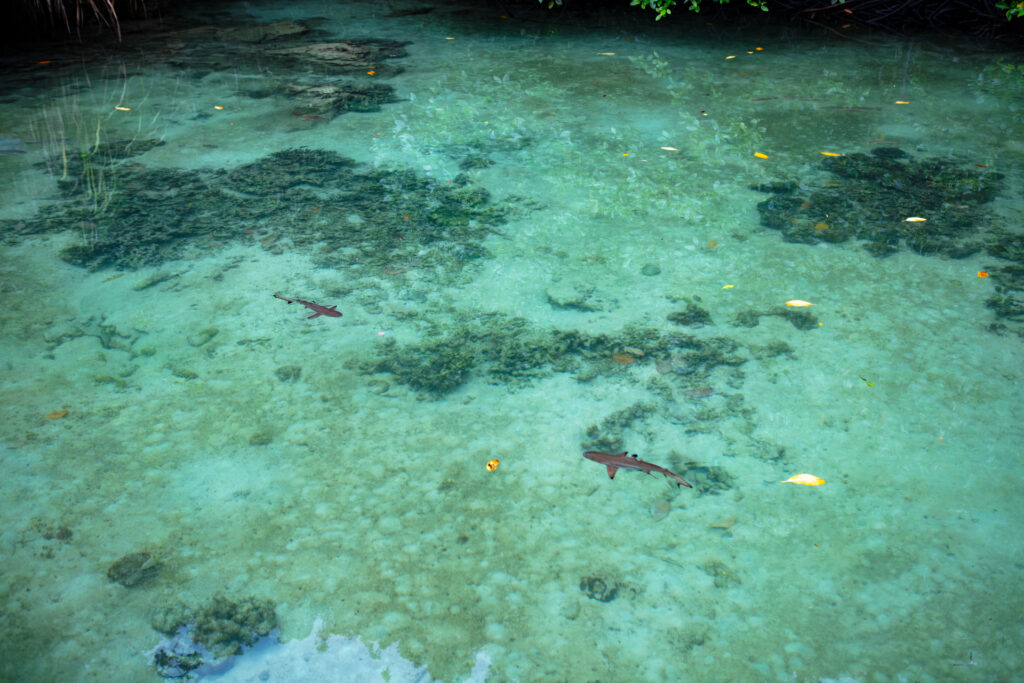
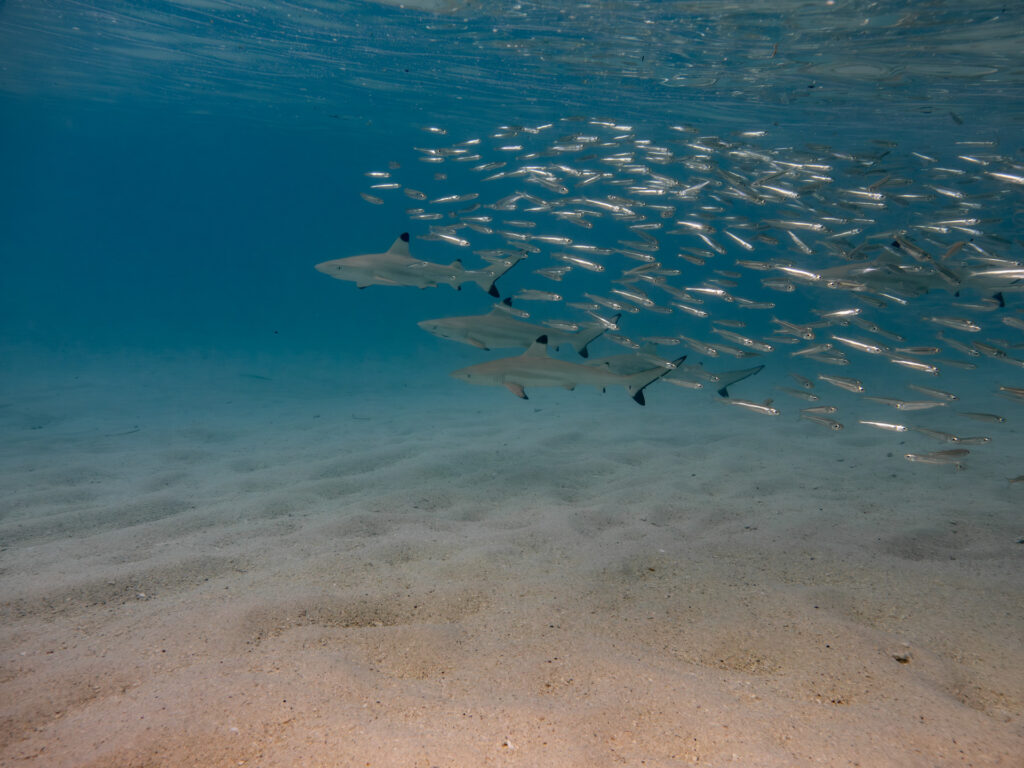
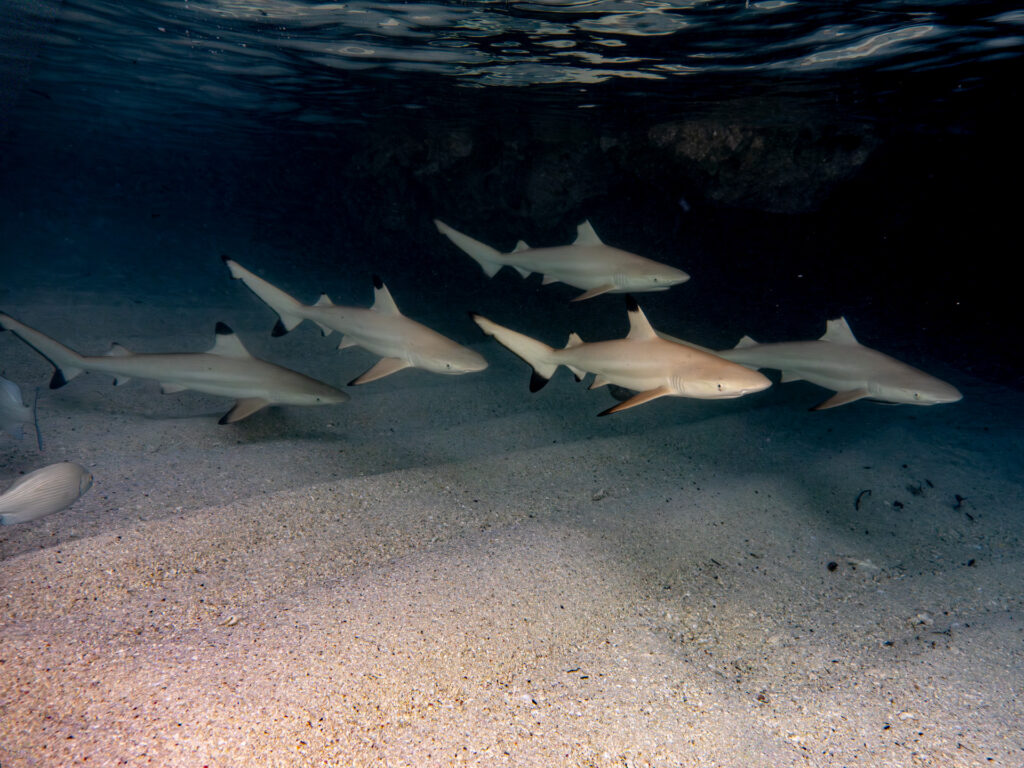
We saw four species of shark: Black-tipped, White-tipped and Grey Reef Shark, plus Wobbegong. Greay Reef Sharks are usually less common but were seen on both snorkels and dives. Probably the most memorable, however, were the baby Black-tipped Reef Sharks. These are increasingly common around Misool as it’s well protected now. Around the rangers’ stations they congregate in the shallows.
Schools of fish
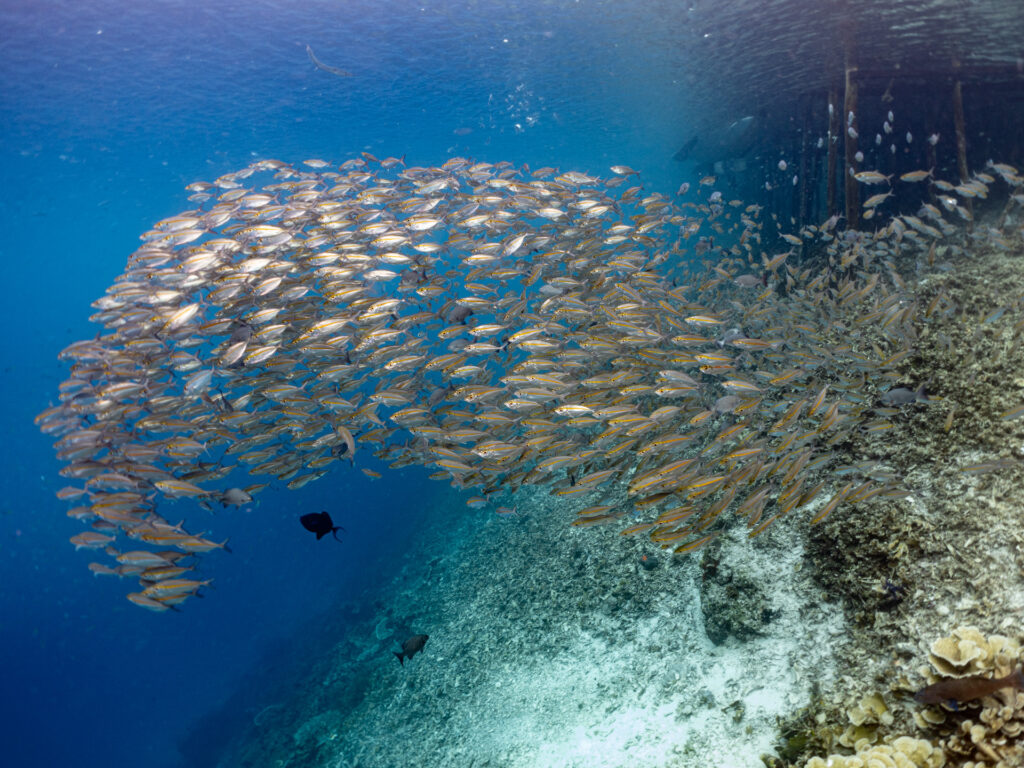
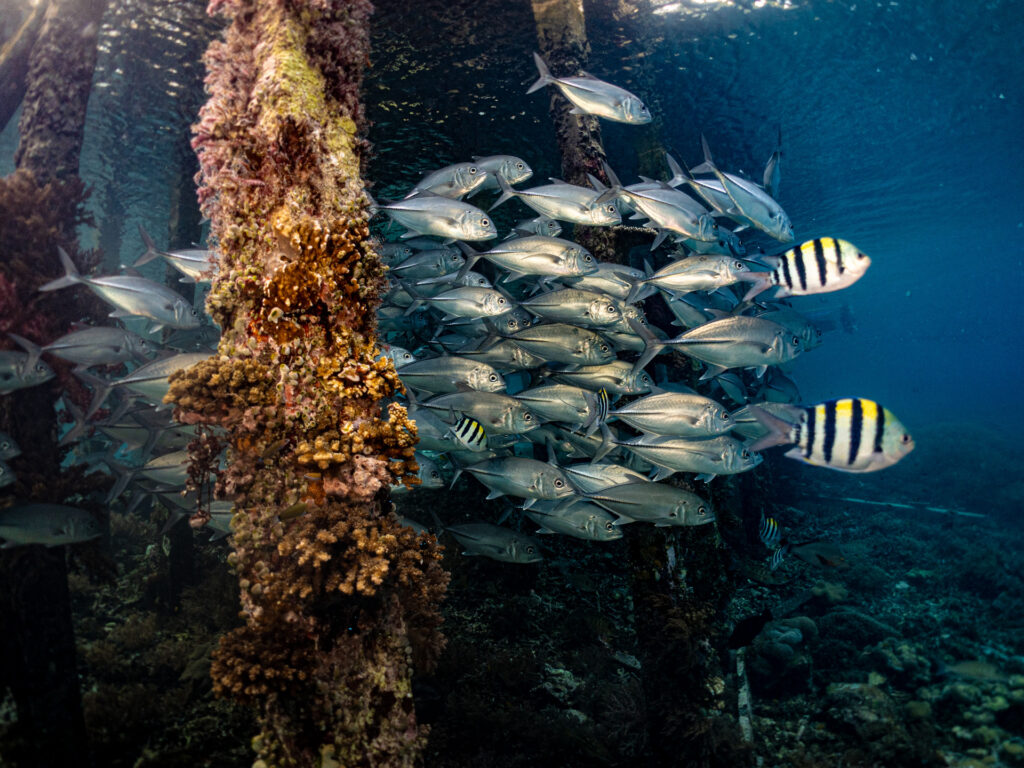
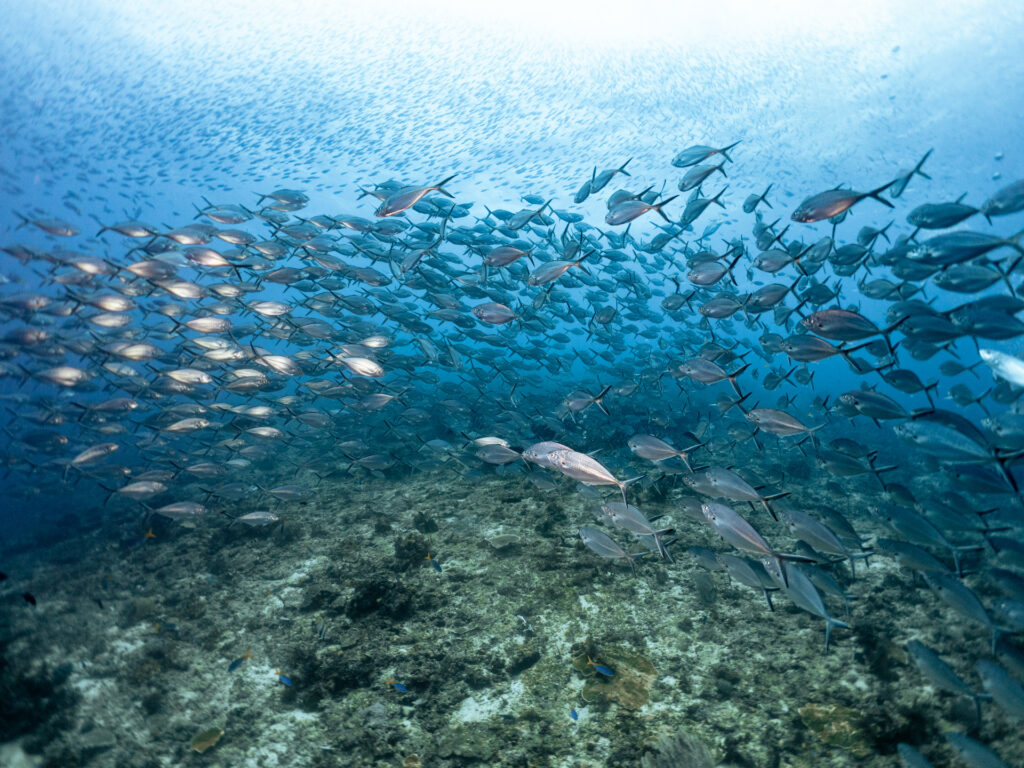
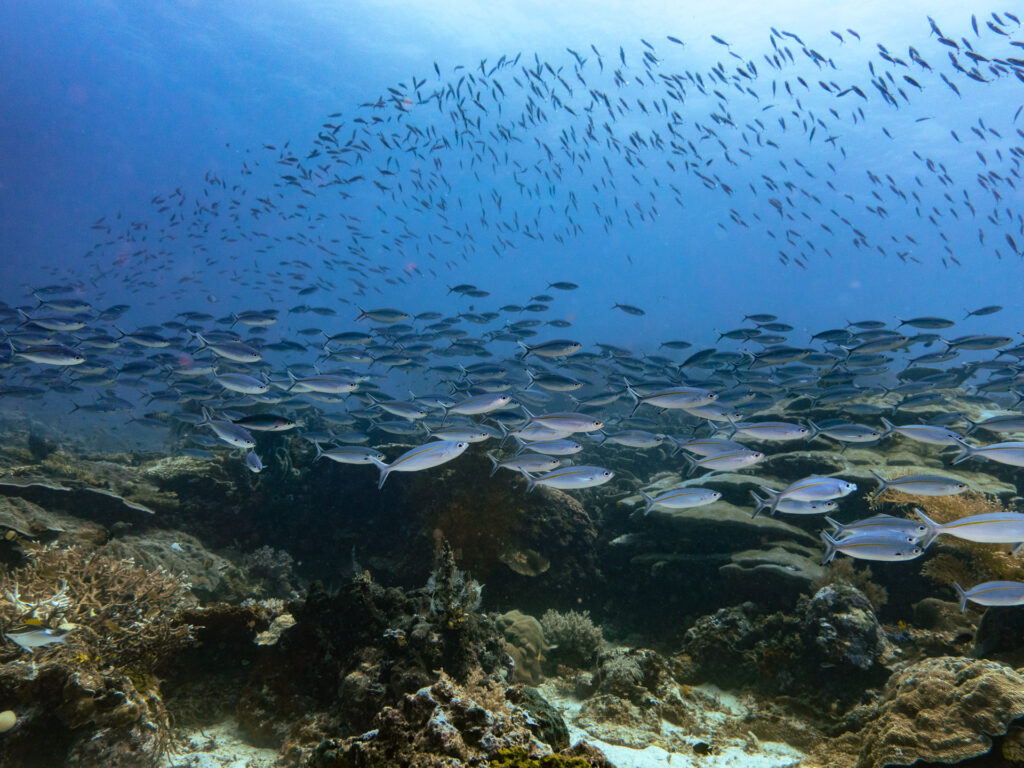
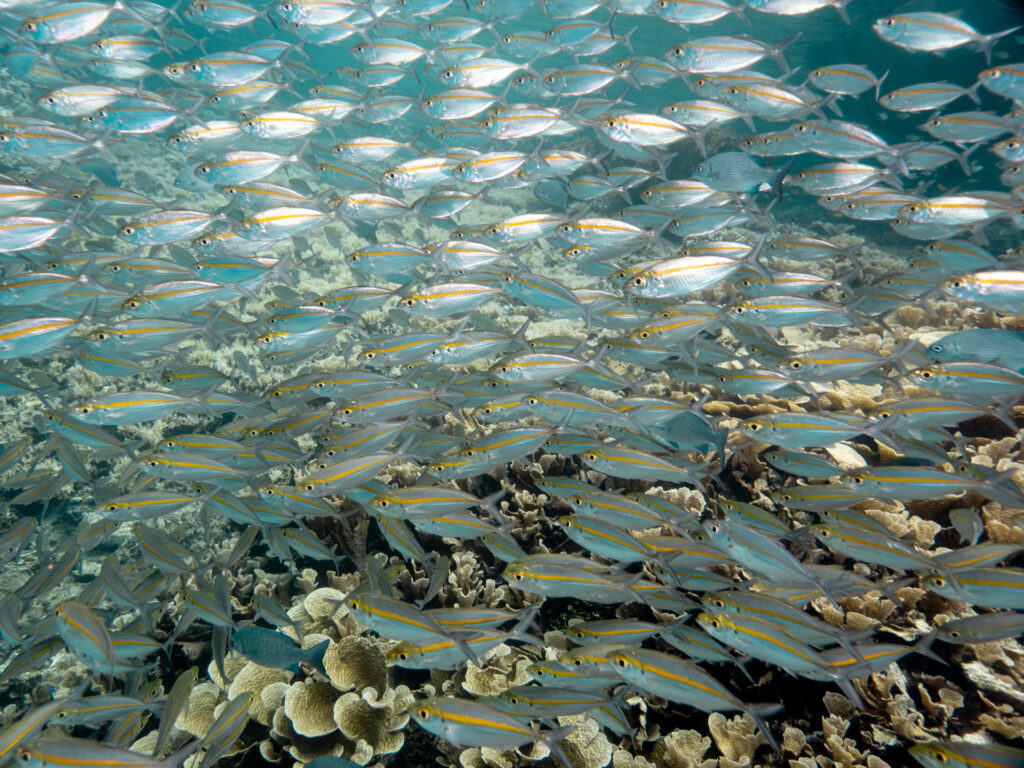
The other thing that is notable are the large schools of fish. And even though divers go deep to see animals like Jack Fish, they also congregate in the shallows around the jetties in Raja Ampat. Again, this is one of the few places in the world you can see this as a snorkeler.
Octopuses, cuttlefish and squid
Everyone saw day octopus. The other species of squid and cuttlefish were seen by divers. This included Coconut Octopus, Bobtail and Broadclub Squid. The bigger reef squid weren’t present in the shallows (they occur sporadically depending on their breeding) but squid were often present at night.


Gorgonian Fans in the shallows
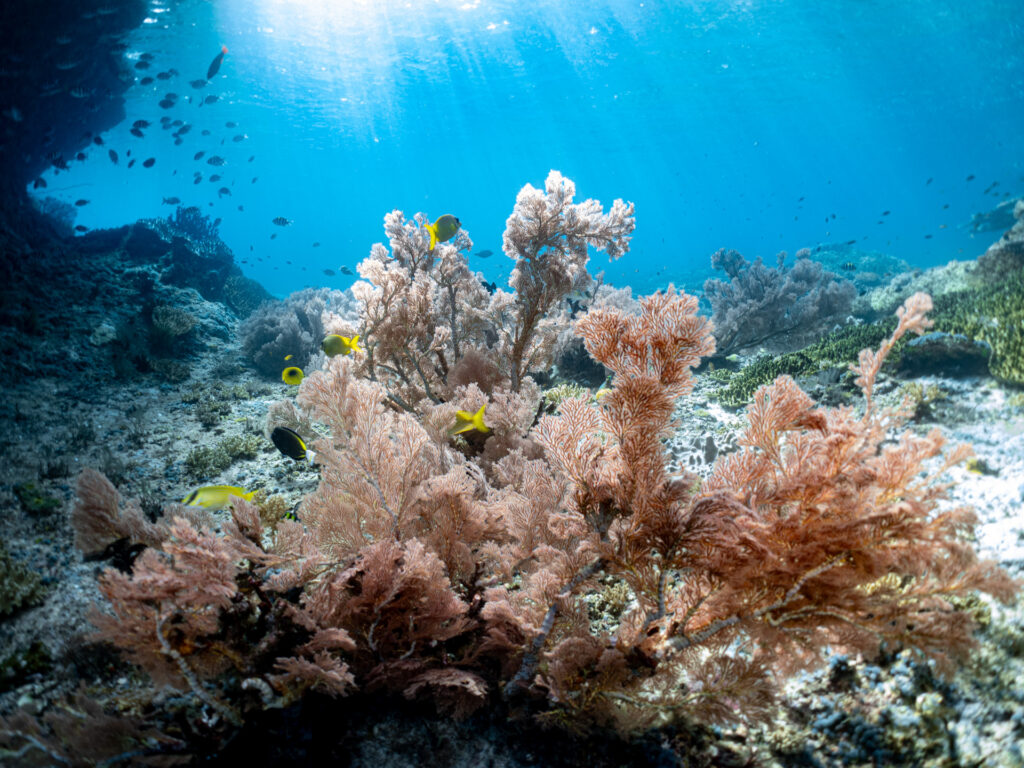
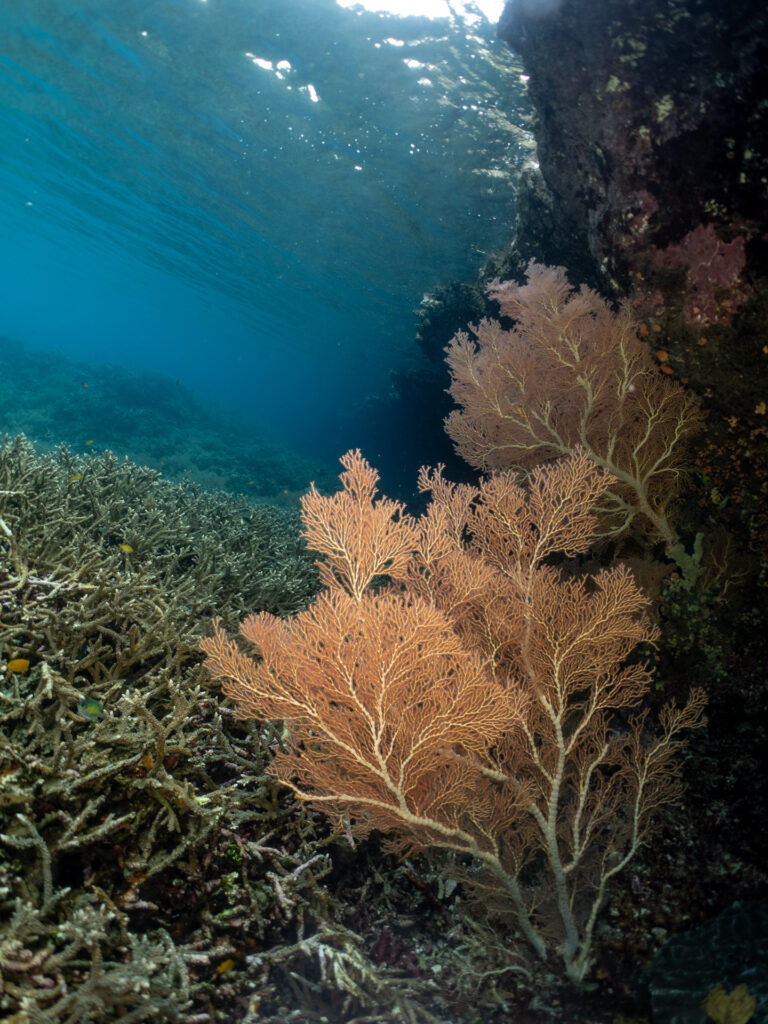
Gorgonian fans are usually found deep. But in Raja Ampat, many of the species occur in very shallow water … often right at the surface.
Birds and landscapes
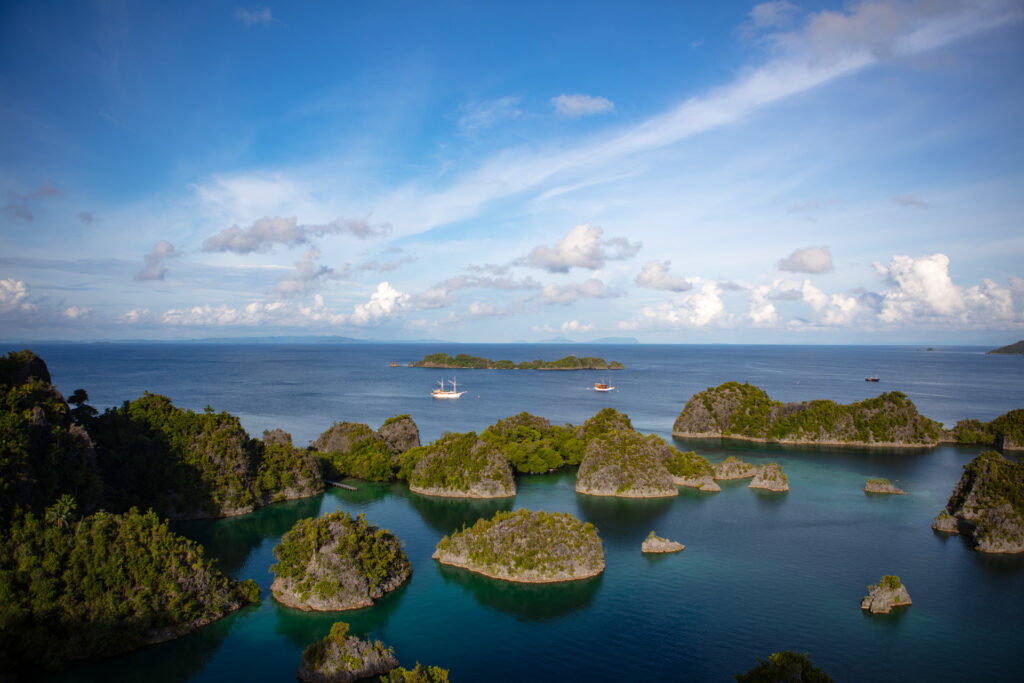
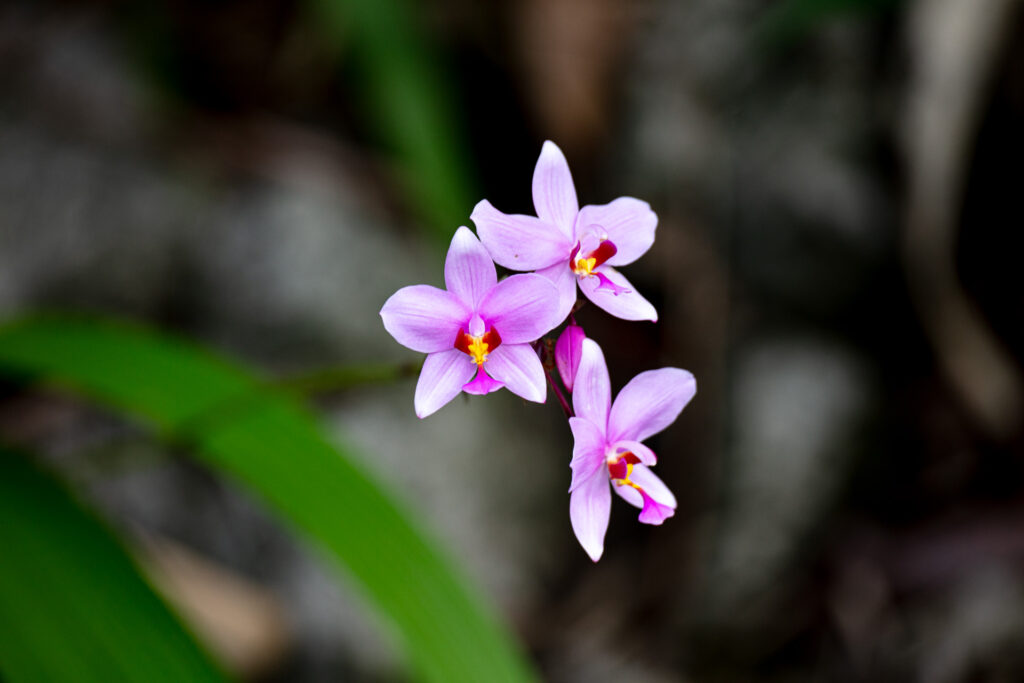
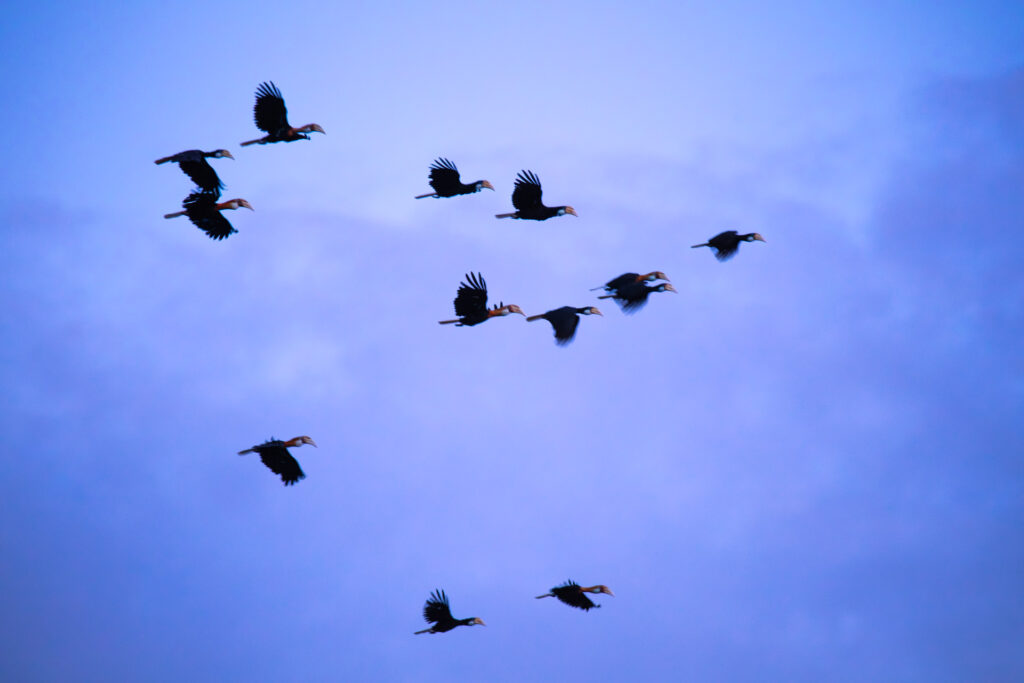
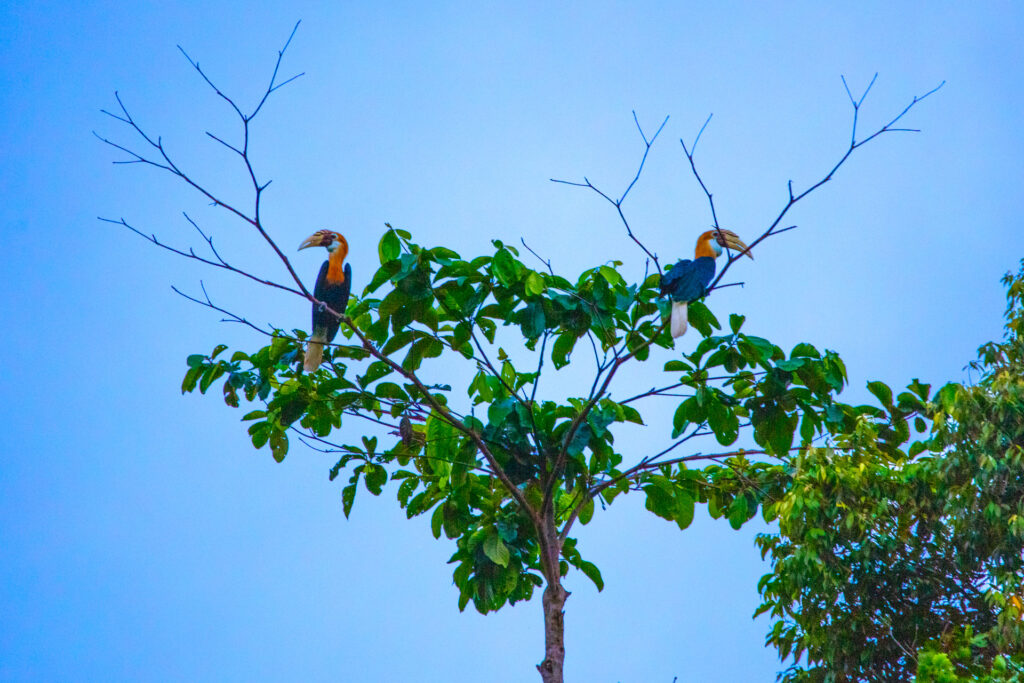
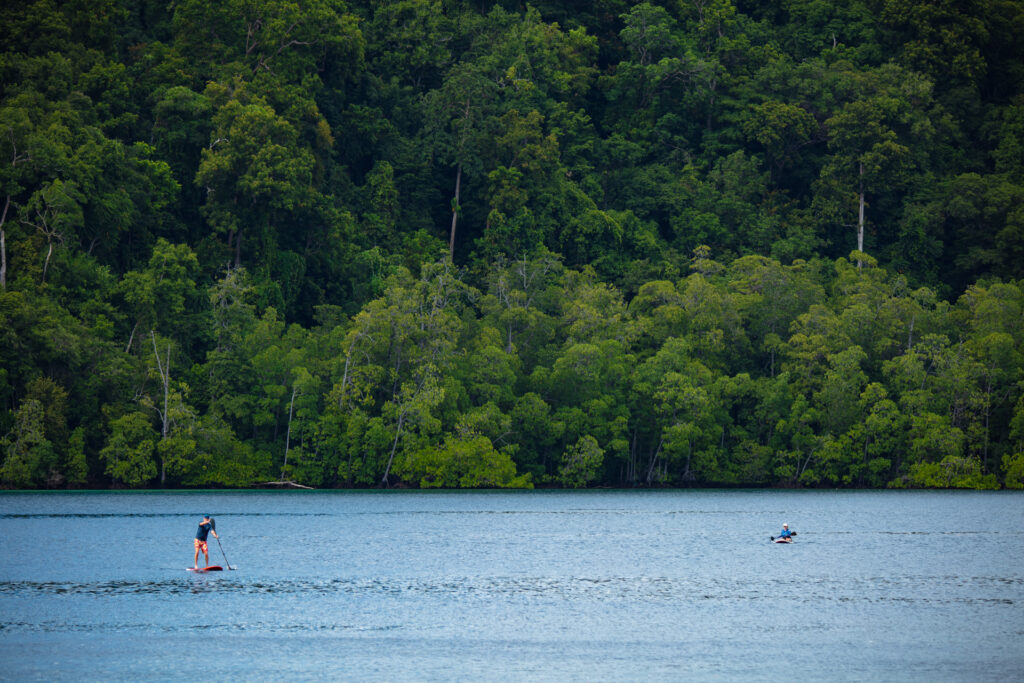
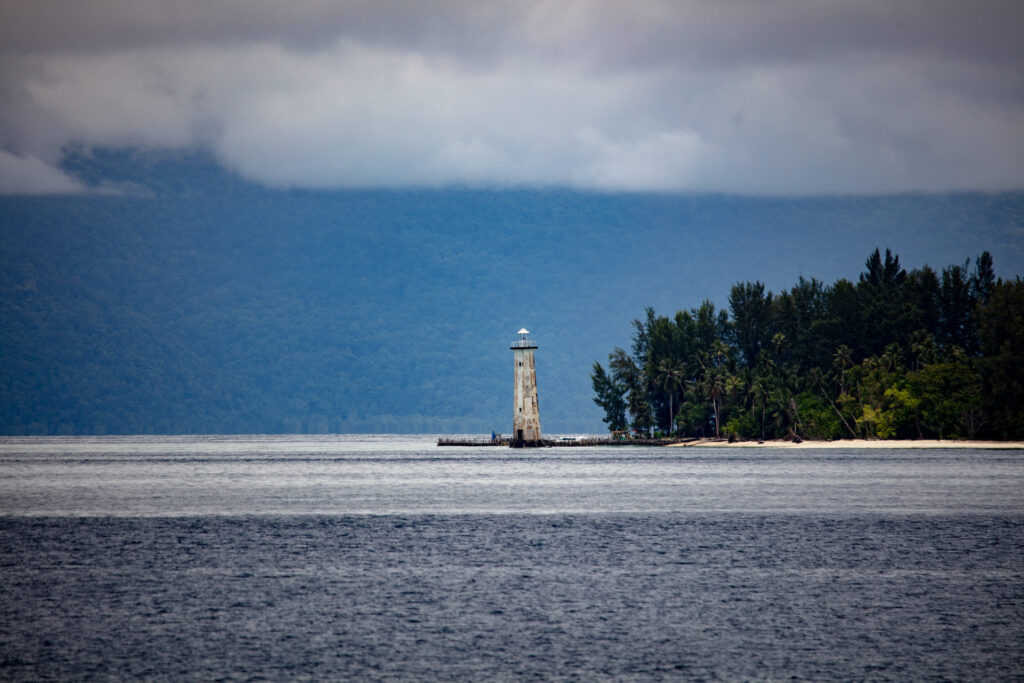
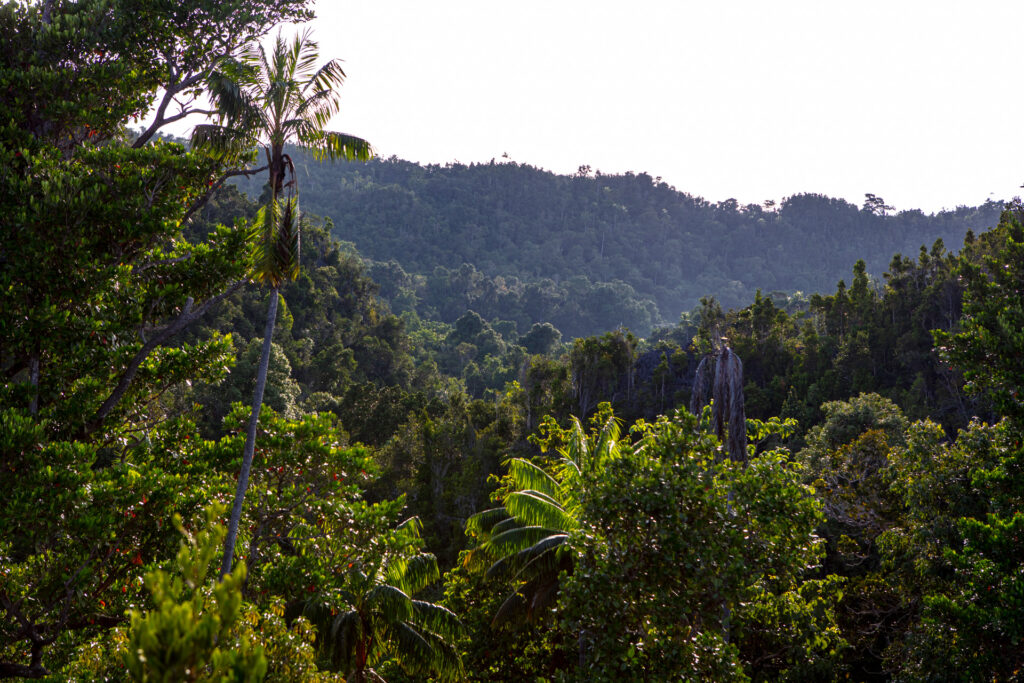
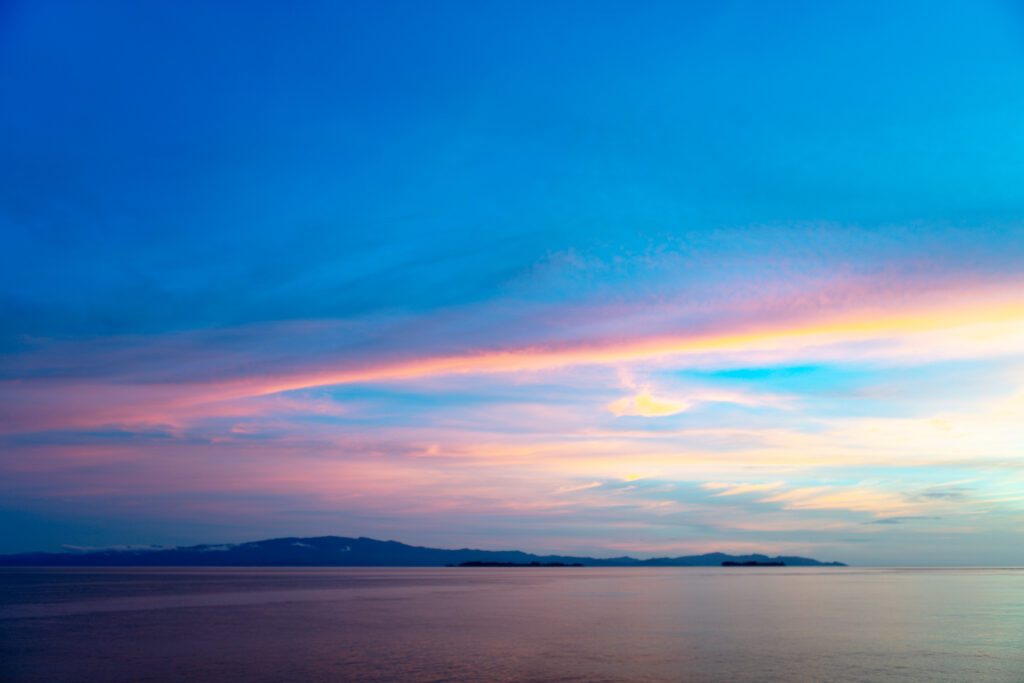
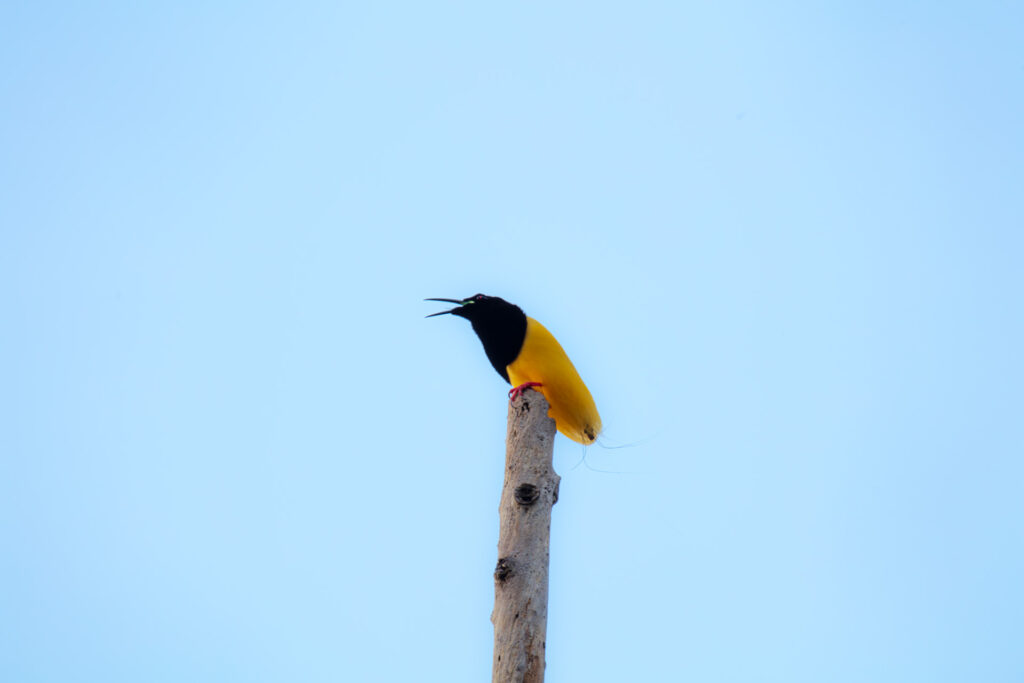
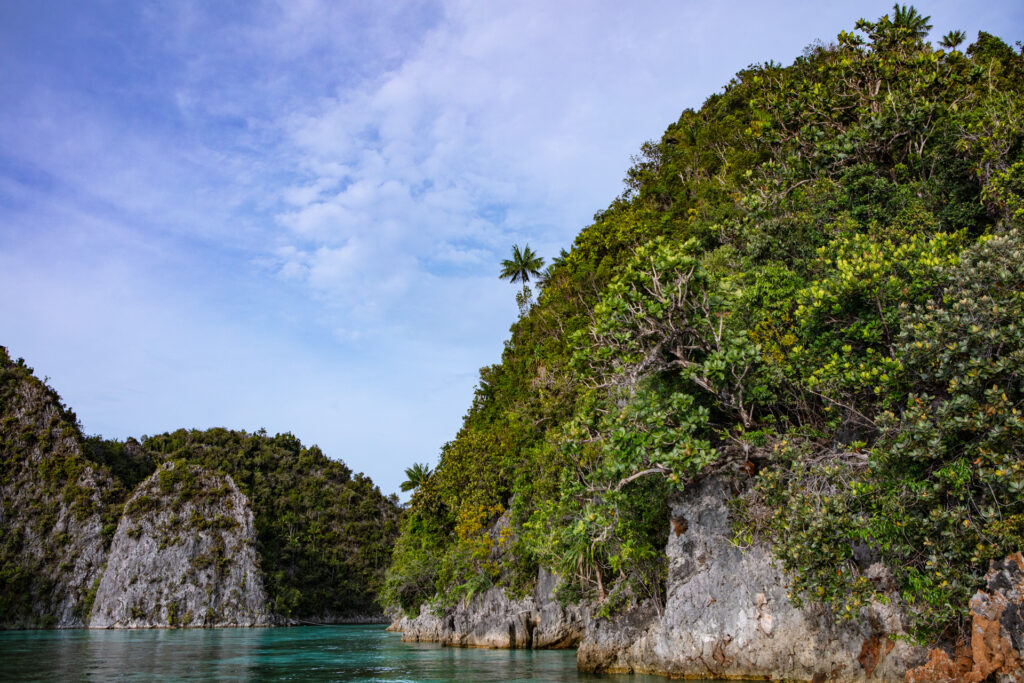
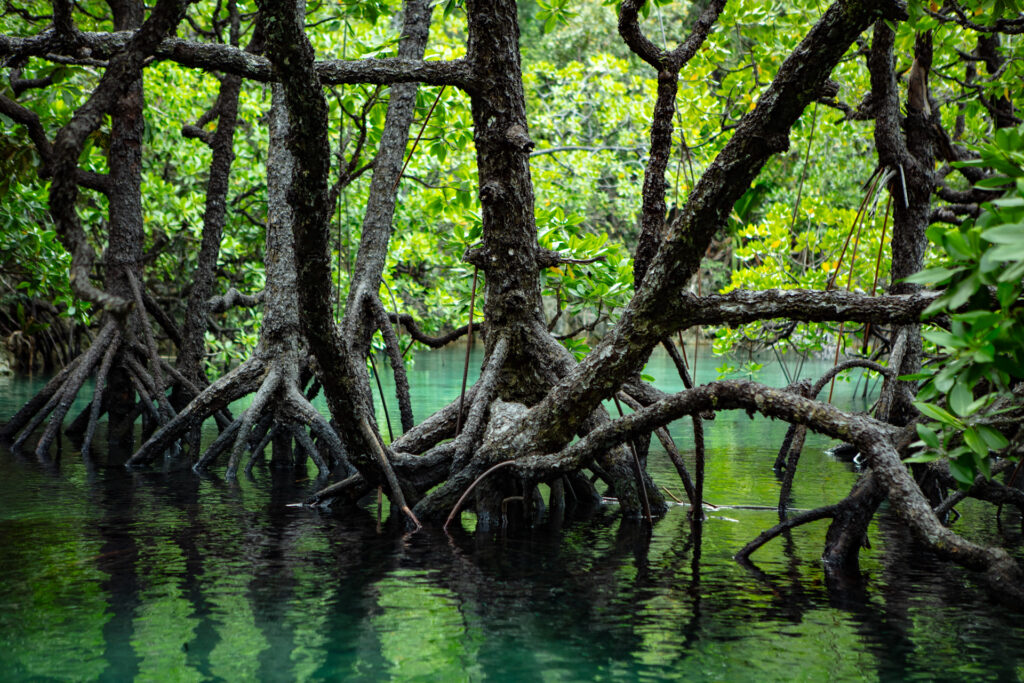
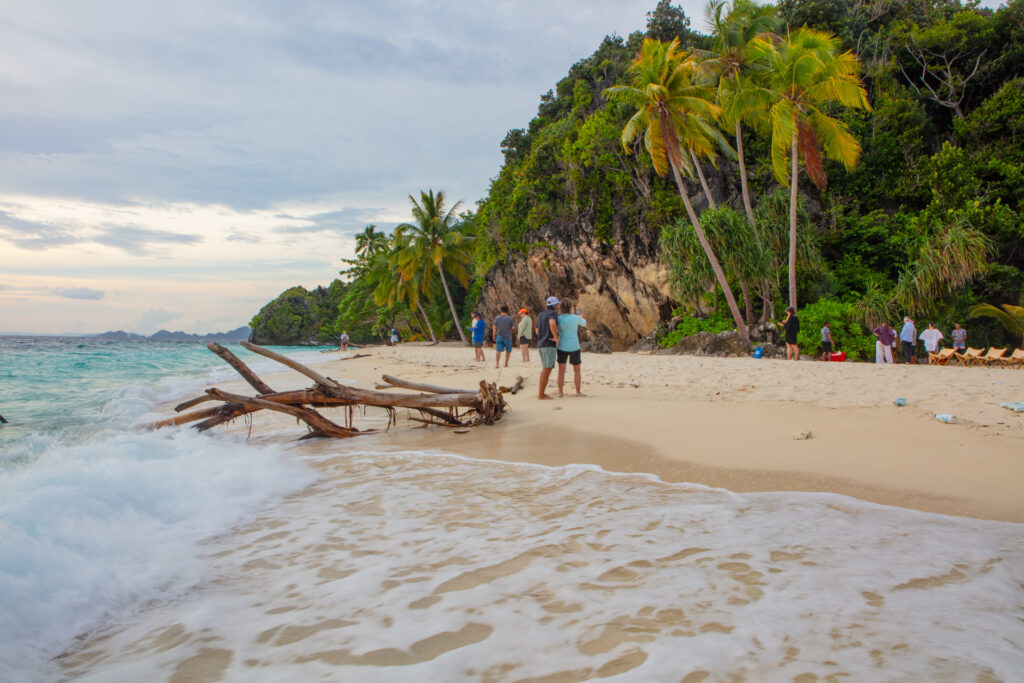
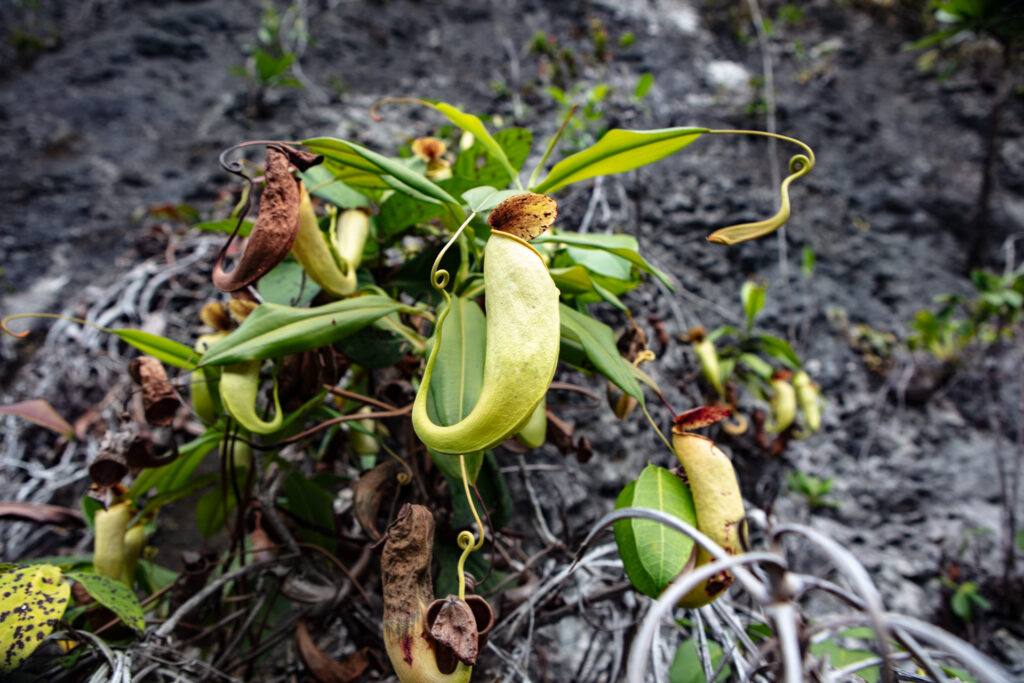
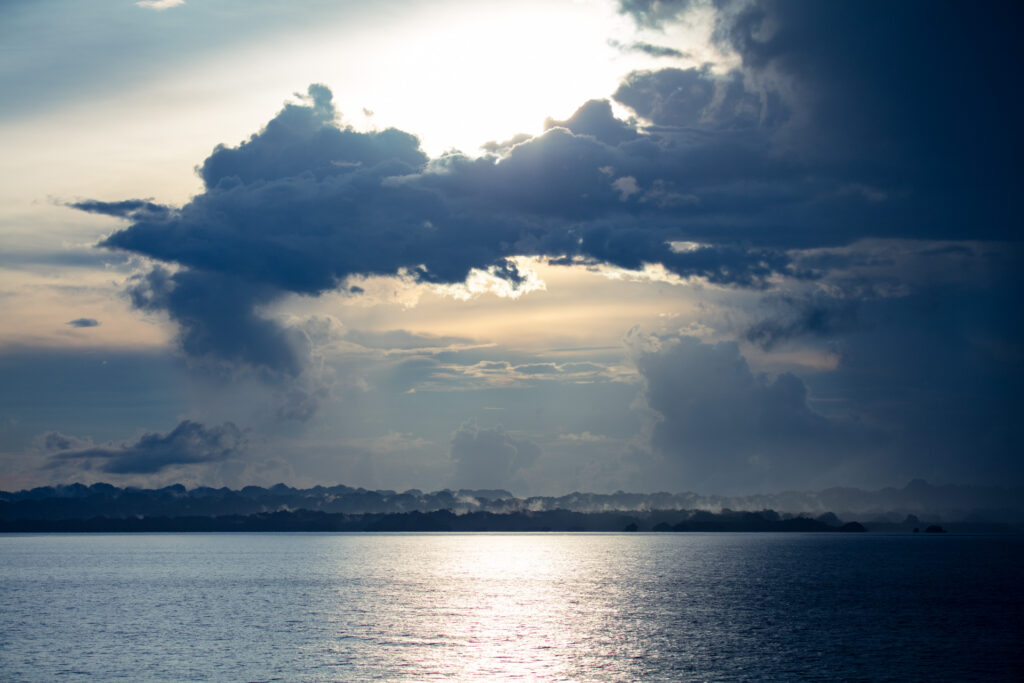
Throughout the trip we had plenty of chance to explore the scenery by speedboat and see the orchids and pitcherplants. We also anchored one night at a place where hornbills come into roost. On the last day, some guests also headed out from Sorong to see 12-wired Bird of Paradise. The limestone islands are uplifted coral reef from millions of years ago and the islands tower above the ocean with 1,000m high peaks.
Blennies and Clownfish
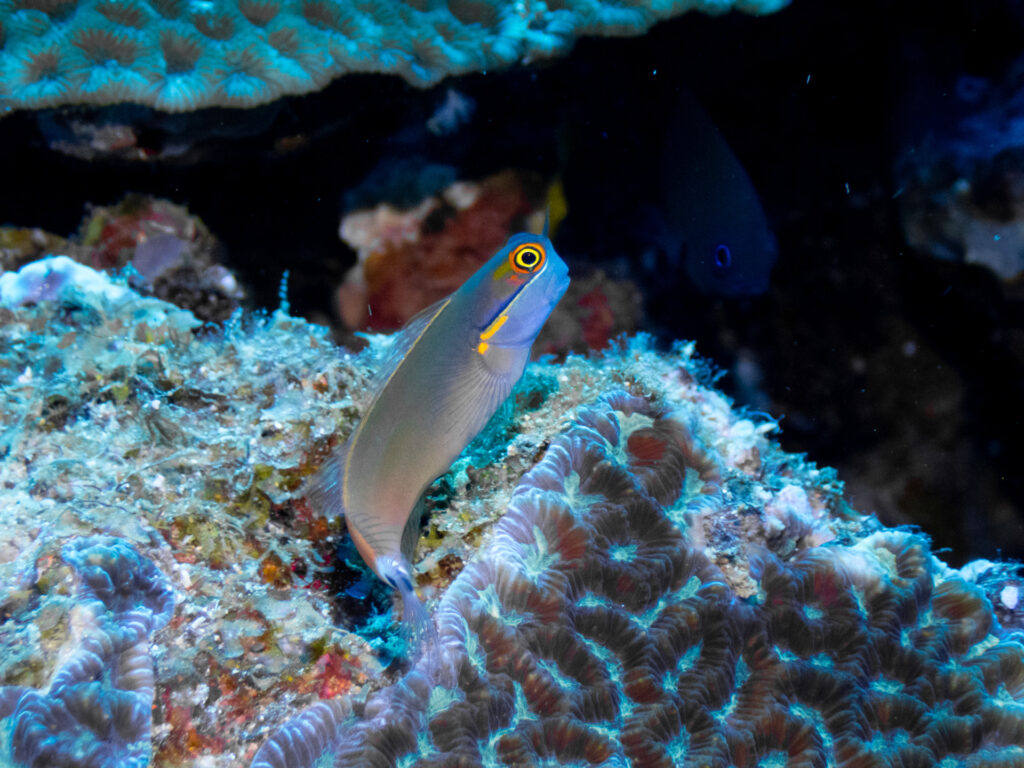
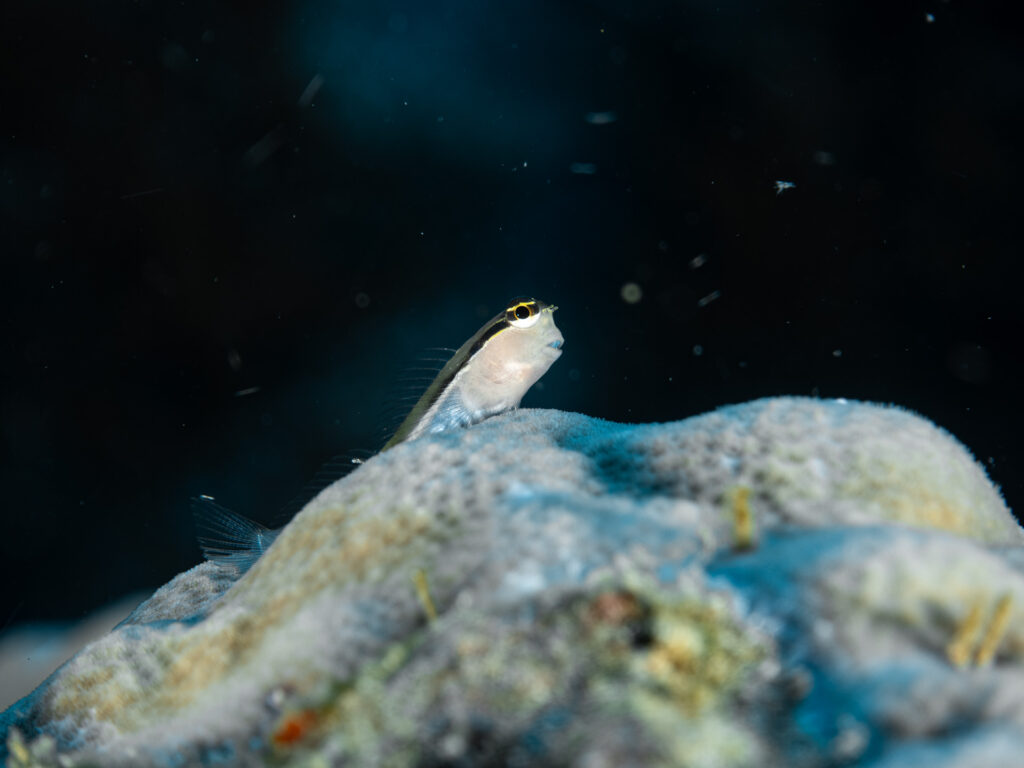
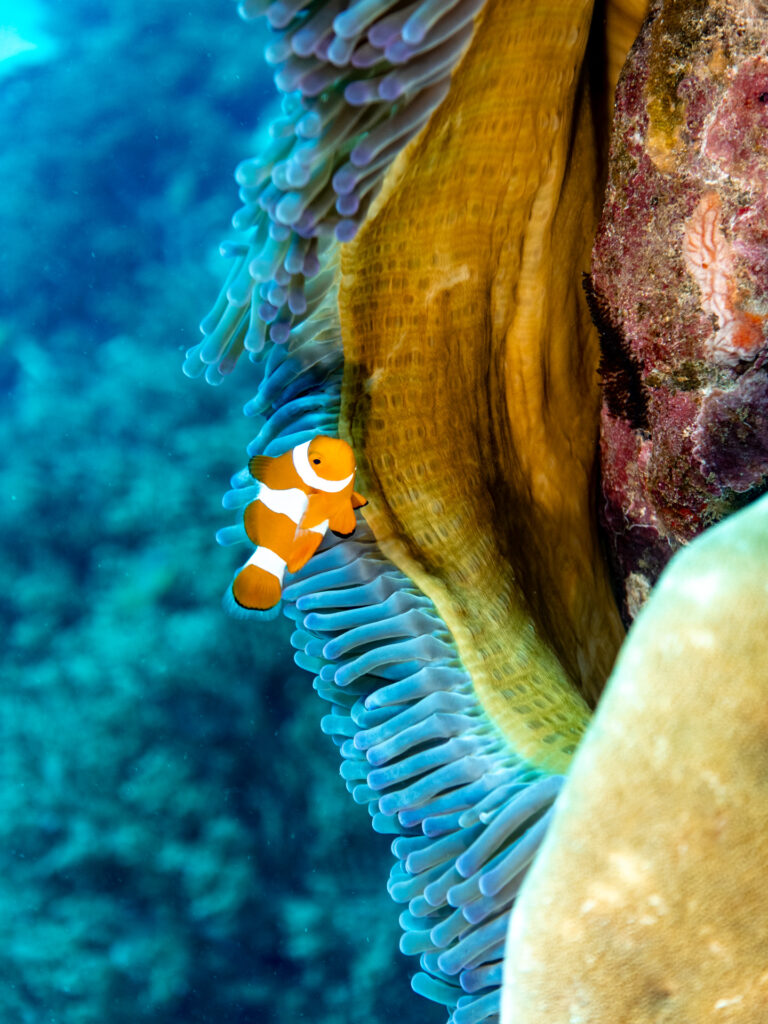
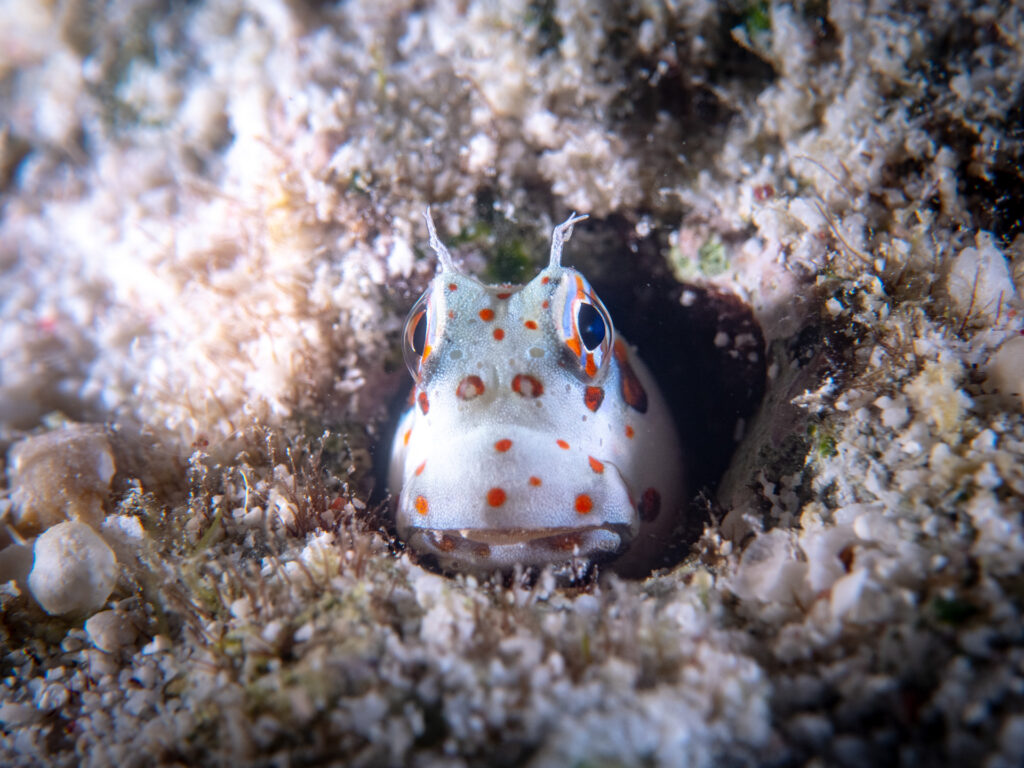
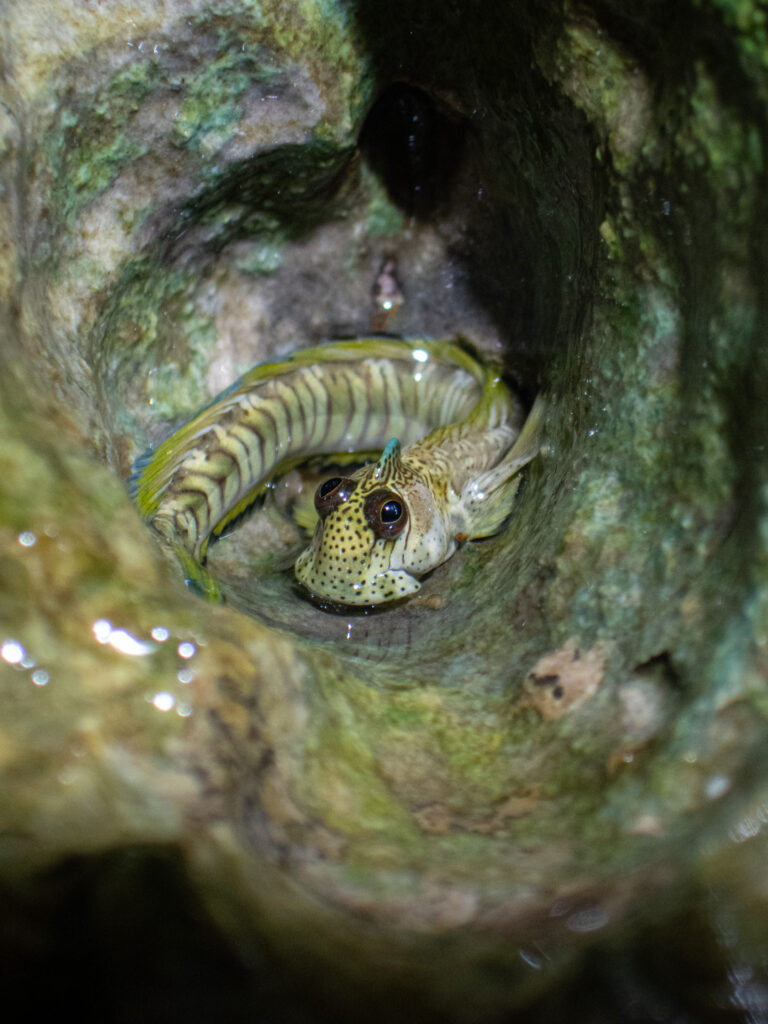
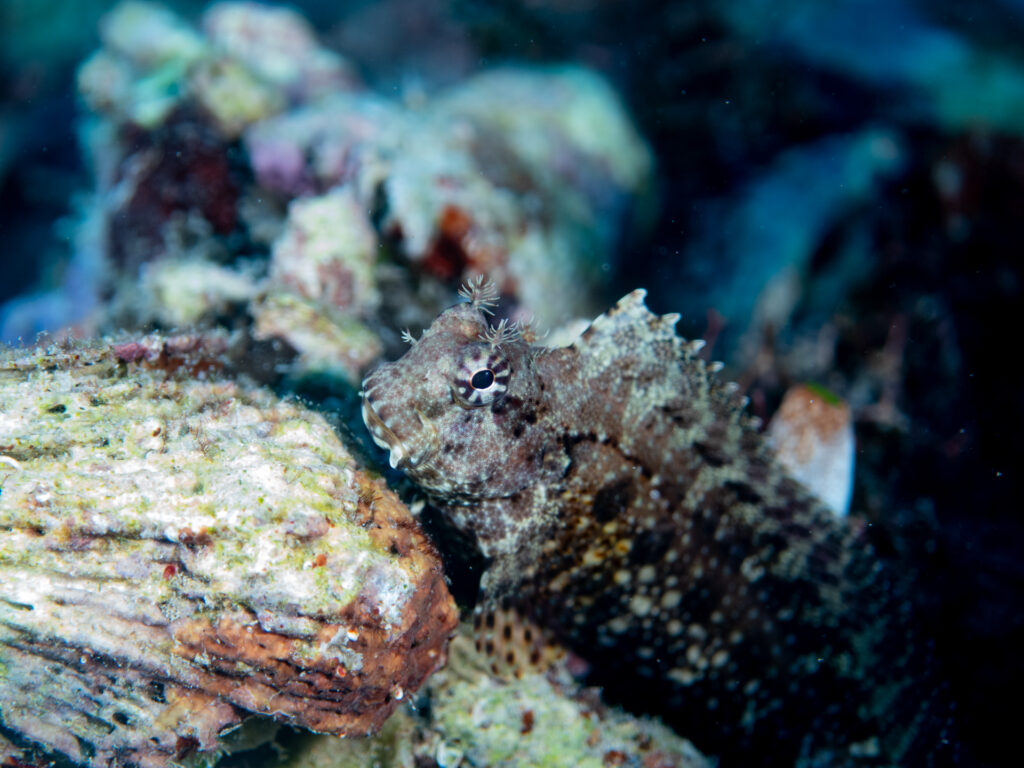
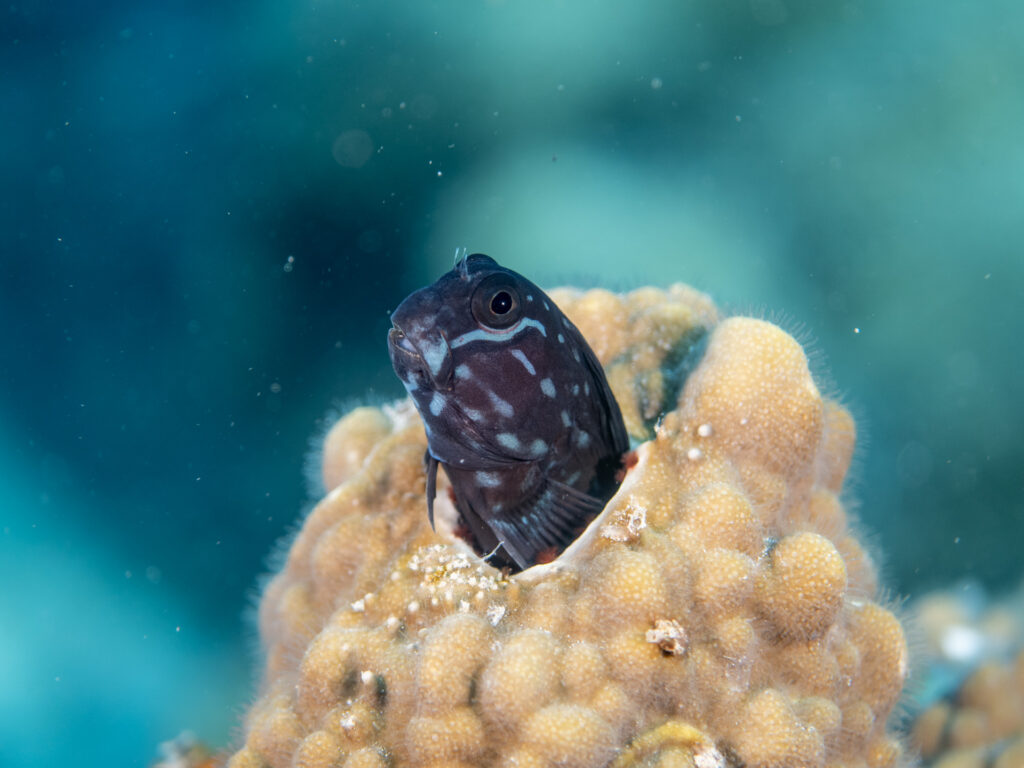
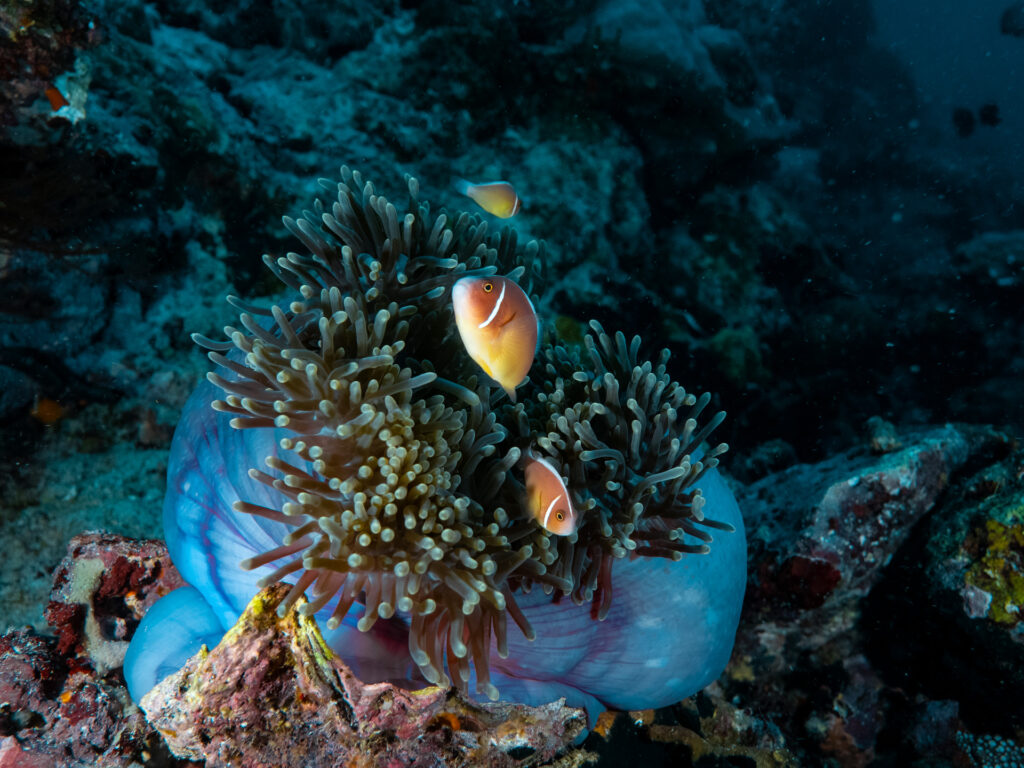
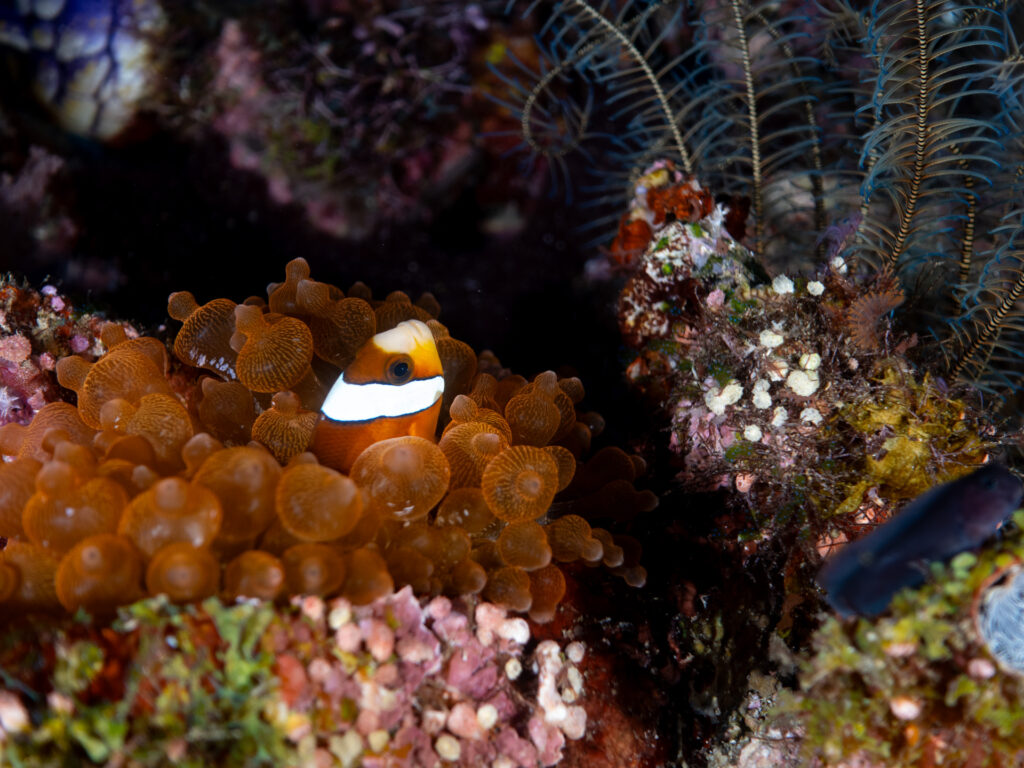
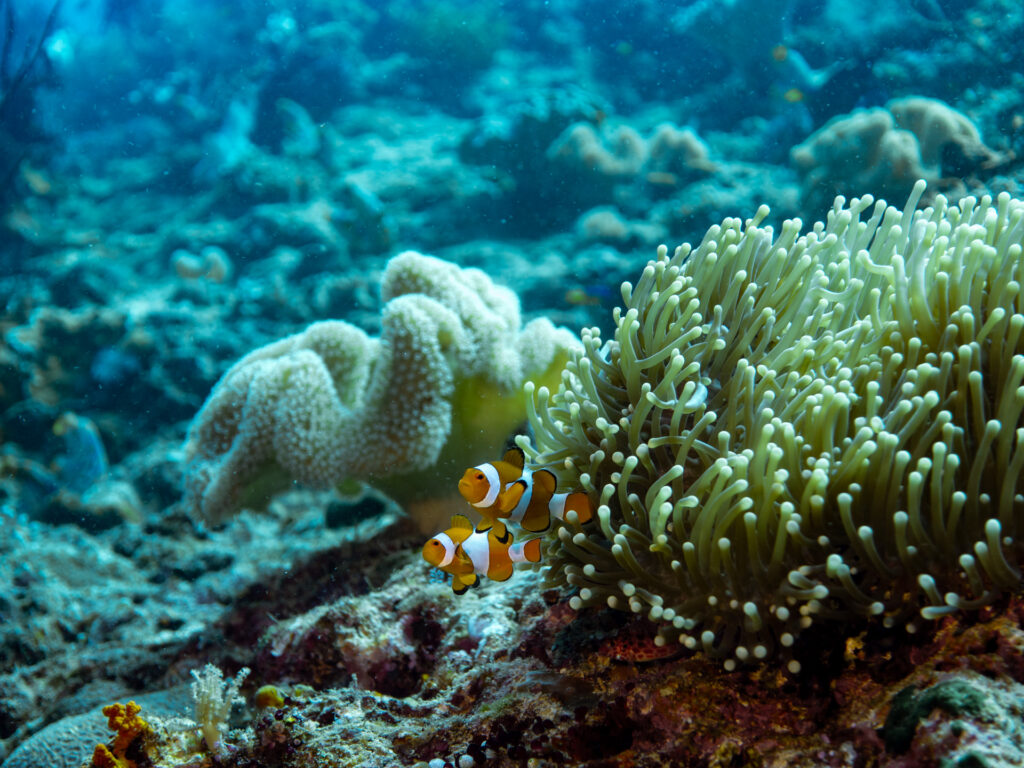
Blennies are particularly numerous in Raja Ampat. There are dozens of species and they forage all over the reef top, helping keep it clean. Anywhere there is space and anemones grow, clownfish are also present. Snorkelers often saw the porcelain crabs living among them too. We also found Pacific Leaping Blennies. These are like muskippers but in a different family altogether. When disturbed, they jump out of the water and seek refuge among the limestone. The males have a head like a cassowary.