
The importance of the oceans, their wildlife and ecosystems
The land and oceans are part of one system: Earth. So when we ask, why are the oceans important? We’re asking about our own future. Life began in the ocean billions of years before the first plants or animals colonised land. Oceans regulate the state of our atmosphere because they are 99 per cent of the volume of living space for animals and wildlife is the mechanism that drives stability.
Climate change has always been the symptom of biodiversityWhat is the definition of biodiversity? When we ask, what is the definition of biodiversity? It depends on what we want to do with it. The term is widely and commonly misused, leading to significant misinterpretation of the importance of how animals function on Earth and why they matter a great deal, to human survival. Here I will try to More loss … that’s to say, the breakdown of the complex connectivity between lifeforms that allows Earth to flex in response to changing conditions. Ocean wildlife has, for the large part, acted as a buffer against the most catastrophic effects and since about fifty million years ago, has kept our climate quite stable.
Industrial fishing only happened recently in our planet’s history and this reduction in the abundance of wildlife represents our greatest challenge for survival.
Below you will find a range of articles designed to inspire an understanding of the magnitude of animal impact on our oceans.
The importance of whales and dolphins in our oceans
What’s more important, the ocean or the land?
The importance we bestow on the land is anthropocentric because we live there. It’s naturally important to us that we protect it. Nonetheless, if life in the ocean dies, we suffer irreversible changes to land-based ecosystems and climate.
In this article, we take a look at many of the ways that land and oceans are linked together.
The answer to the question, ‘why are the oceans important’, is that we live on the land but the oceans regulate Earth’s temperature. The oceans are equally vital to the land we live on.
Seabirds
The environmental sensitivity of animals was revealed to me many years ago. I was once asked to find out the amount of sediment that could …
Sharks and Rays
The fossil tooth fairy was smiling upon me today. After a snorkel we headed to bayside Melbourne to search for fossils. Soon after, I turned …
Latest posts about why the oceans are important
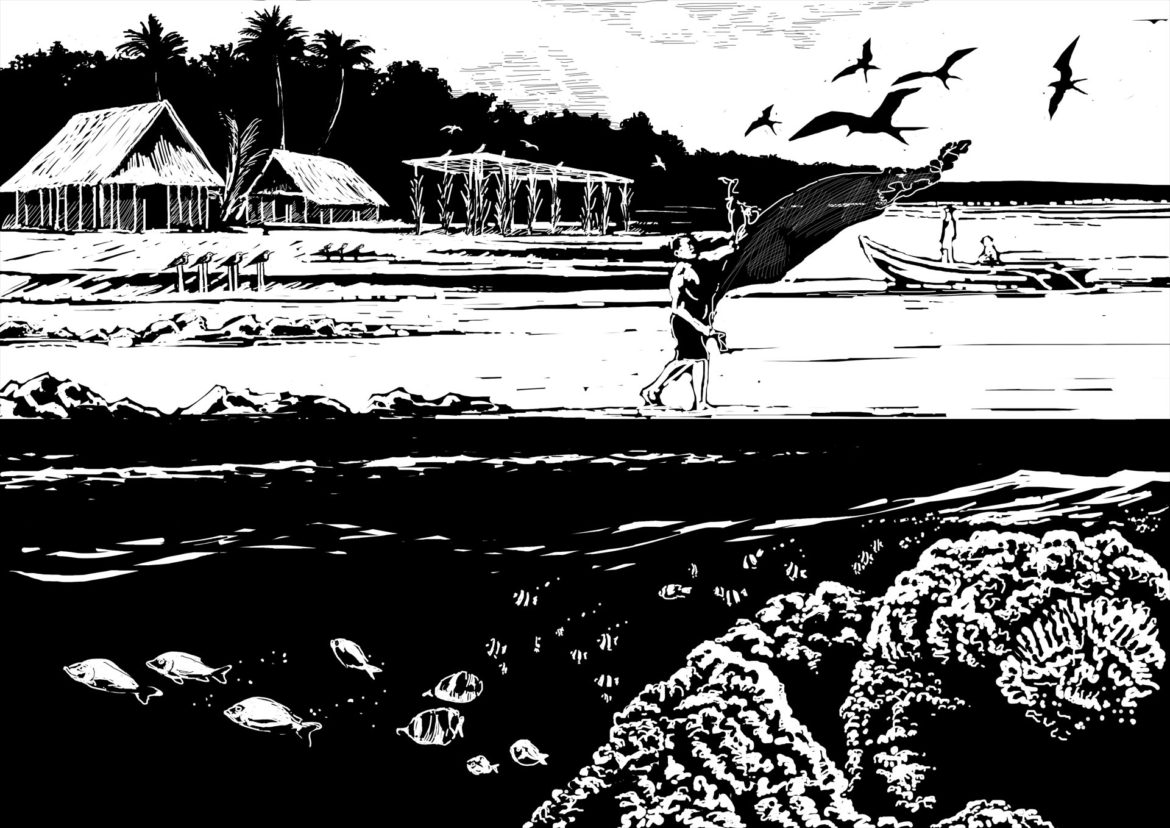
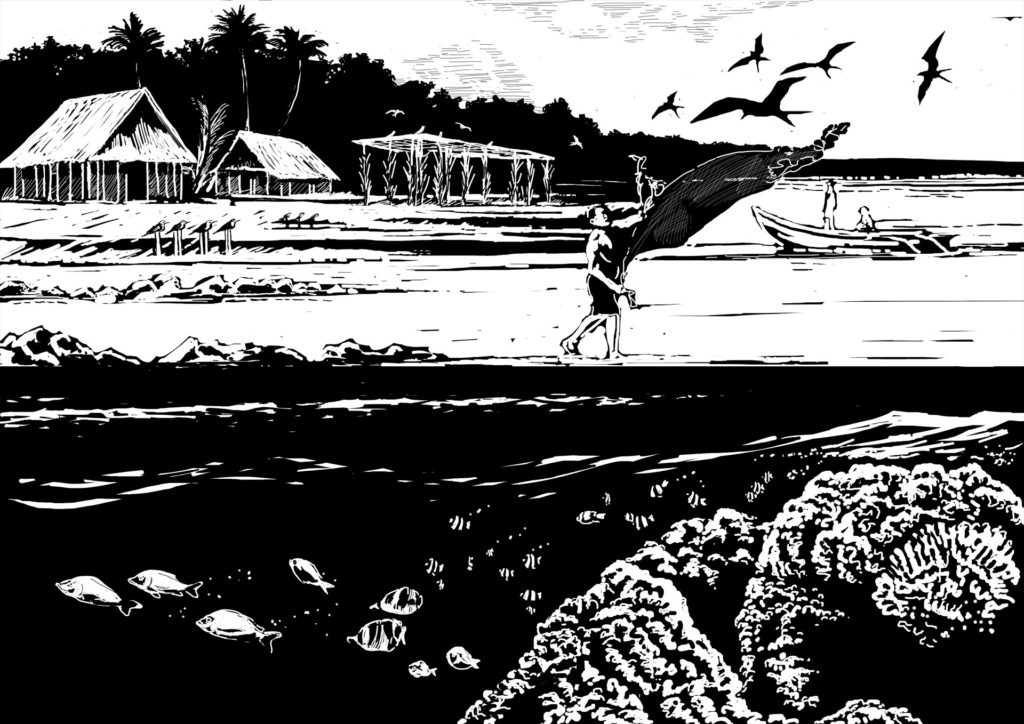
Why are frigatebirds important? Like all wildlife, the answer lies in their ability to move. Thousands of generations of birds have developed a bond with their environment, transferring and concentrating nutrients in different parts of the tropics. This helps build ecosystem structures that house a myriad of other ocean creatures that aren’t as mobile (including us). Wherever you find a concentration of frigatebirds, you find some of the richest fisheries and human settlements.
Evidence for the importance of frigatebirds
A relationship with wildlife was customary knowledge for many indigenous groups all over the world. But after European settlement, most of these traditional practices were lost. It’s only in recent years that scientists have begun to ‘discover’ this for themselves. However, animal-driven nutrient systems are often so subtle, they remain undiscovered or can’t be measured at all.
In the absence of this modern evidence, we tend to overlook the significance of animals.
Conservation of wildlife therefore, underestimates the critical benefit animals bring in restoring and maintaining ecosystem diversity, structure and function. Rat free islands can have fifty per cent greater biomass of fish because reefs are fed by seabird guano and seabirds are integral to the transport of nutrients between ocean and land.
Animals don’t have to be that numerous to have a huge effect either.
Frigatebirds can travel much further than humans and their impact covers whole ocean basins. We only evolved to fit in, after seabirds had set up the conditions for our prosperity. This is why we face a very uncertain future if we continue to treat animals as competitors, persecute them, or inadvertently kill them with our industry and agriculture.