
The importance of the oceans, their wildlife and ecosystems
The land and oceans are part of one system: Earth. So when we ask, why are the oceans important? We’re asking about our own future. Life began in the ocean billions of years before the first plants or animals colonised land. Oceans regulate the state of our atmosphere because they are 99 per cent of the volume of living space for animals and wildlife is the mechanism that drives stability.
Climate change has always been the symptom of biodiversityWhat is the definition of biodiversity? When we ask, what is the definition of biodiversity? It depends on what we want to do with it. The term is widely and commonly misused, leading to significant misinterpretation of the importance of how animals function on Earth and why they matter a great deal, to human survival. Here I will try to More loss … that’s to say, the breakdown of the complex connectivity between lifeforms that allows Earth to flex in response to changing conditions. Ocean wildlife has, for the large part, acted as a buffer against the most catastrophic effects and since about fifty million years ago, has kept our climate quite stable.
Industrial fishing only happened recently in our planet’s history and this reduction in the abundance of wildlife represents our greatest challenge for survival.
Below you will find a range of articles designed to inspire an understanding of the magnitude of animal impactWhat is Animal Impact? Without wildlife, Earth would not be habitable for humans, because it's animals that stabilise ecosystems. It’s a fundamental law of nature that animals (and humans) exist because we are the most likely lifeforms to minimise environmental chaos. Animal impact, therefore, is a measure of how much all wildlife is collectively responsible for creating a habitable Earth. The More on our oceans.
The importance of whales and dolphins in our oceans
What’s more important, the ocean or the land?
The importance we bestow on the land is anthropocentric because we live there. It’s naturally important to us that we protect it. Nonetheless, if life in the ocean dies, we suffer irreversible changes to land-based ecosystems and climate.
In this article, we take a look at many of the ways that land and oceans are linked together.
The answer to the question, ‘why are the oceans important’, is that we live on the land but the oceans regulate Earth’s temperature. The oceans are equally vital to the land we live on.
Seabirds
Why are frigatebirds important? Like all wildlife, the answer lies in their ability to move. Thousands of generations of birds have developed a bond with …
Sharks and Rays
I’d only ever seen whale sharks at the surface before. Swimming with whale sharks in Indonesia was something unexpectedly rewarding. This article is one of …
Latest posts about why the oceans are important
Tuna’s Last Stand

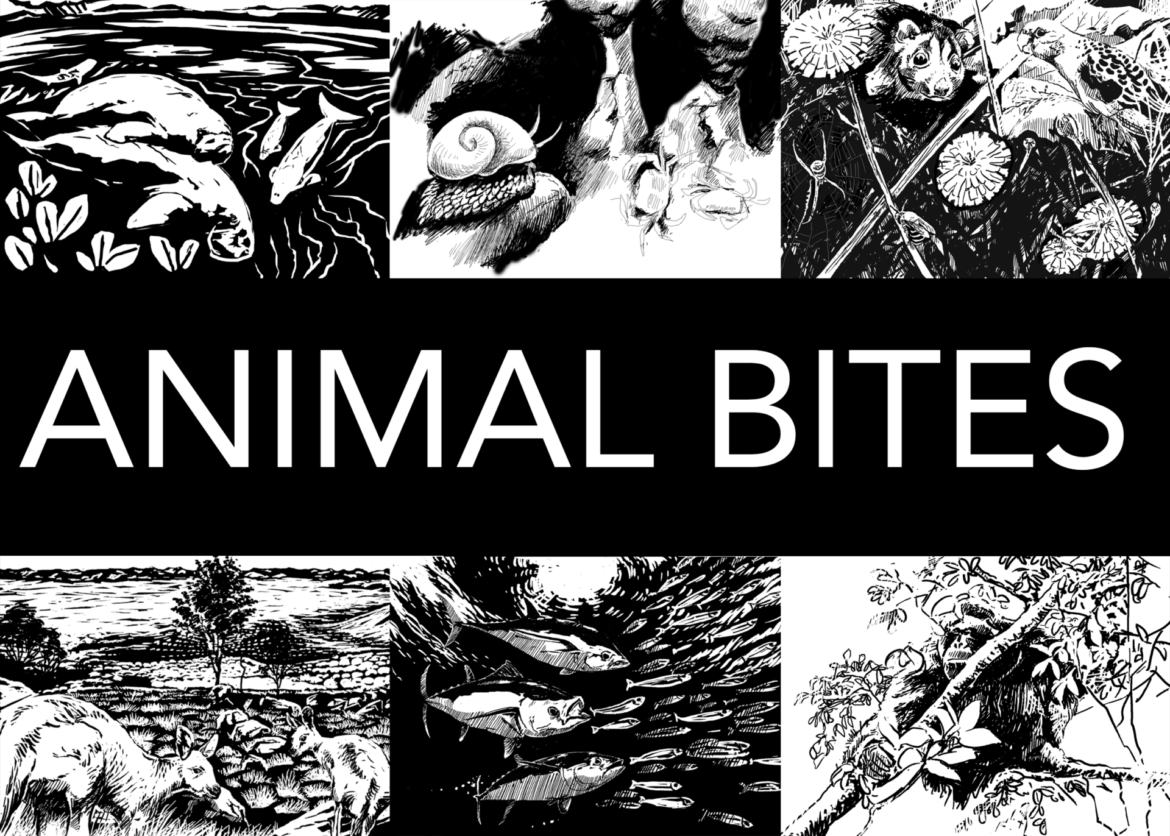
A really well researched (long read) in Hakai Magazine about the rise of the tinned tuna industry and how this has depleted larger species, leaving Skipjack. The question is asked, whether even “sustainable” tuna can outswim the growing demand. Thumbnail: Shane Gross/Minden Pictures
Sea slugs that can sever their own heads and regenerate brand-new bodies
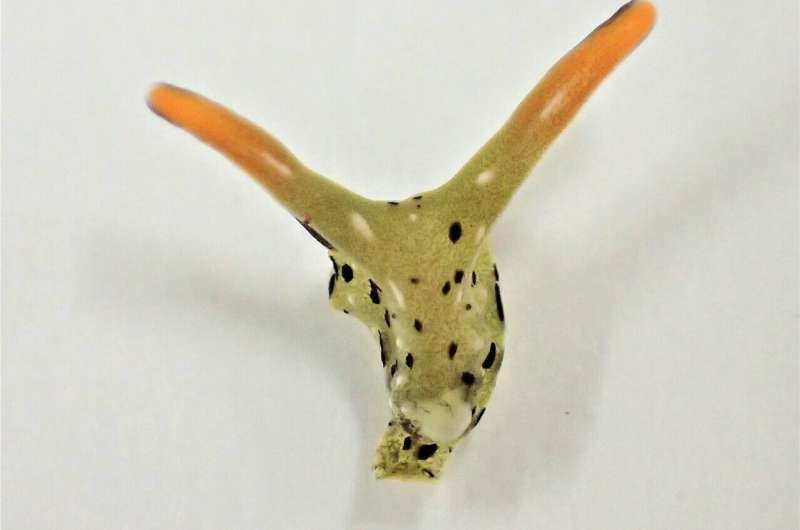
The journal of Current Biology just reported discovery of two species of sacoglossan sea slug that can shed their head and then regenerate a whole new body complete with the heart and other internal organs. Read more here! Thumbnail: Sayaka Mitoh
Economic benefits of protecting nature now outweigh those of exploiting it, global data reveal
Conserved or restored habitats are associated with greater overall “net present value” in 75% of sites when compared with their human-dominated alternative state. Even in almost half of cases, human-induced exploitation subtracted rather than increased economic value … the very definition of “unsustainable”. Read more.