
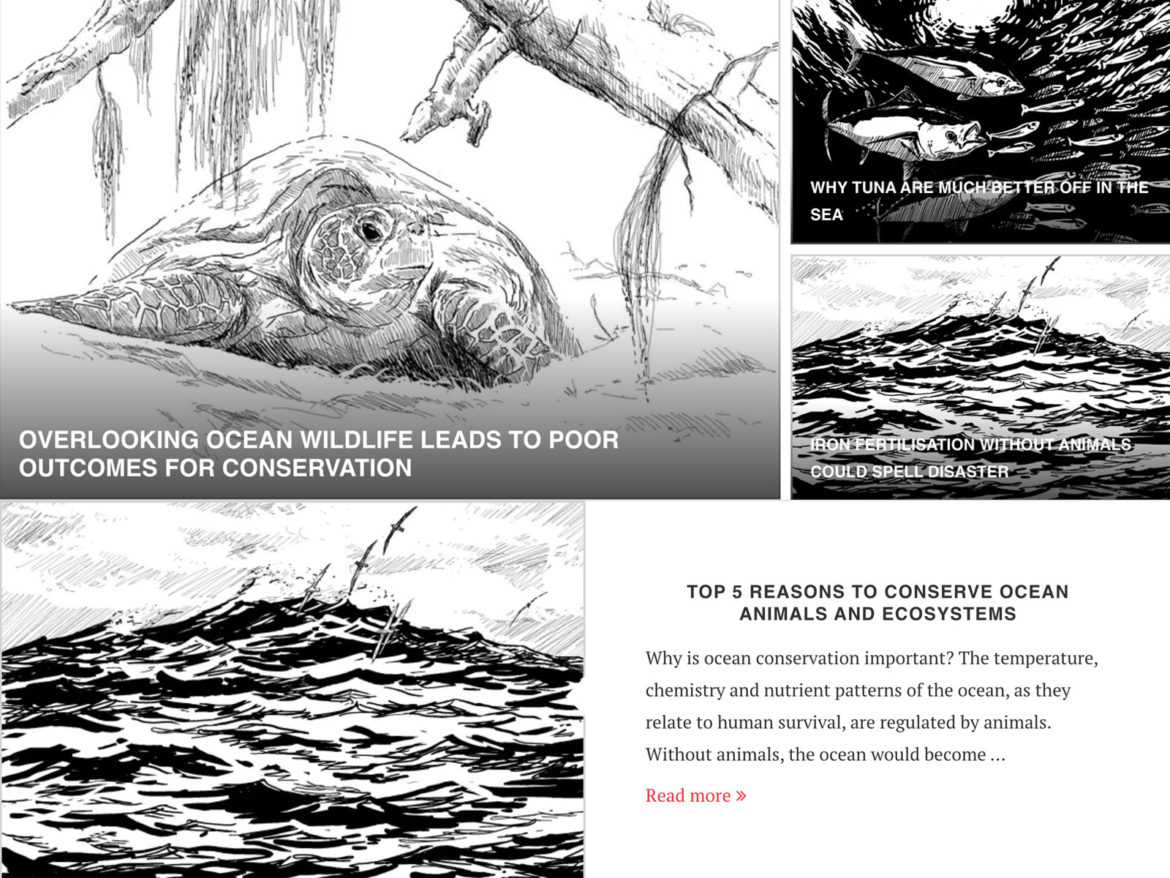
The importance of the oceans, their wildlife and ecosystems
The land and oceans are part of one system: Earth. So when we ask, why are the oceans important? We’re asking about our own future. Life began in the ocean billions of years before the first plants or animals colonised land. Oceans regulate the state of our atmosphere because they are 99 per cent of the volume of living space for animals and wildlife is the mechanism that drives stability.
Climate change has always been the symptom of biodiversity loss … that’s to say, the breakdown of the complex connectivity between lifeforms that allows Earth to flex in response to changing conditions. Ocean wildlife has, for the large part, acted as a buffer against the most catastrophic effects and since about fifty million years ago, has kept our climate quite stable.
Industrial fishing only happened recently in our planet’s history and this reduction in the abundance of wildlife represents our greatest challenge for survival.
Below you will find a range of articles designed to inspire an understanding of the magnitude of animal impact on our oceans.
The importance of whales and dolphins in our oceans
What’s more important, the ocean or the land?
The importance we bestow on the land is anthropocentric because we live there. It’s naturally important to us that we protect it. Nonetheless, if life in the ocean dies, we suffer irreversible changes to land-based ecosystems and climate.
In this article, we take a look at many of the ways that land and oceans are linked together.
The answer to the question, ‘why are the oceans important’, is that we live on the land but the oceans regulate Earth’s temperature. The oceans are equally vital to the land we live on.
Seabirds
A study just came out with former NASA climate scientist James Hansen. Therein, he warns that a reduction in the amount of atmospheric pollution could …
Sharks and Rays
Ecology is a complex science and so often, our simplest assumptions about how things work, don’t hold up in practice. Take sharks for example. How …
Latest posts about why the oceans are important
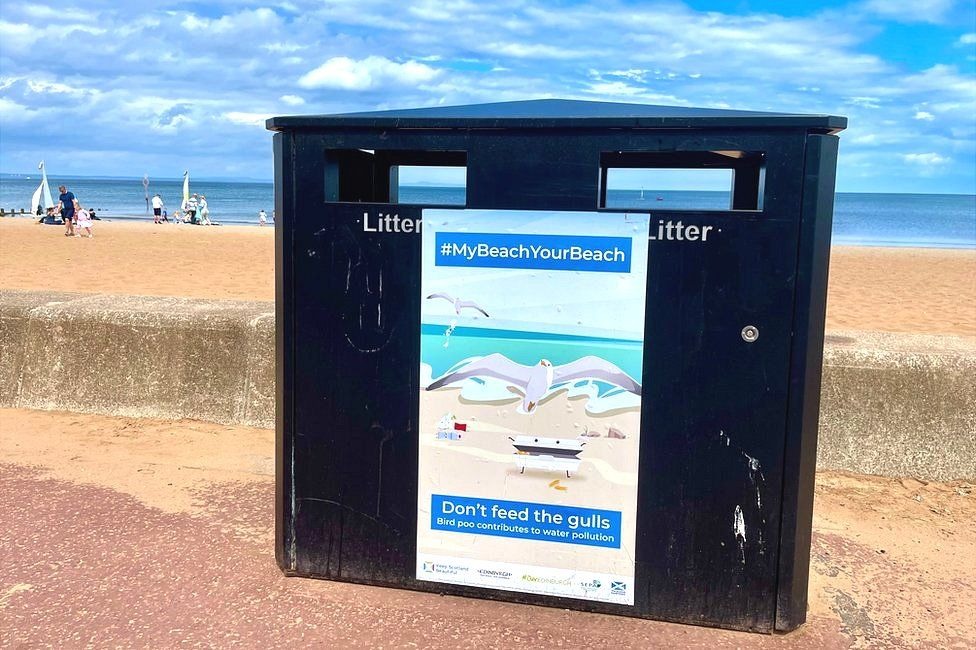
Posters in Scotland have conservationists all of a flutter. They claim that seagulls pollute the sea. The answer to the question: ‘Can seagulls pollute the sea?’ is, yes, in theory. However, if they did, they would have gone extinct a long time ago. It doesn’t mean it can’t happen in the short term but to understand the consequence we need to think in term of ecosystems and animal impact. We are always too quick to jump to conclusions about the impact of wildlife being negative. This puts our future at risk.
Can any animal pollute the environment?
Yes. We pollute the environment and we are an animal. In a steady stable-state ecosystem though, this is kept under control. But what do we mean when we say ‘pollution’? What we mean is something called surplus free energy. Most energy-containing molecules are based on carbon or nitrogen. For example, ammonium, nitrate, faeces or the bodies of dead animals even. When these are in excess they cause the surrounding environment to collapse. Pollution is most often the consequence of some species becoming too abundant and upsetting the shape of the food pyramid. However, it tends to involve organisms lower down the food chain. Plants are actually the biggest potential sources of pollution as they fix the world’s carbon using powerful sunlight.
The impact of animals is positive even when it’s not
Humans tend to think of impacts as negative but the impact of larger animals like seagulls is usually positive, even when it’s not. When there is an excess of food – including, for example, chips – birds can become more abundant. The chips are also a source of pollution. The seagulls are actually cleaning up another source of waste. But as I discussed in this article, it’s a messy process. Just like on a building site, it takes time to reorganise waste into something useful. Animals are often seen as the harbingers of chaos, pollution and inconvenience. The short-term impact might be positive even when it’s not seen that way. What they are really doing is cleaning up our mess! If we have too many gulls, it’s either because we are too abundant, or we are too wasteful. Blaming the gulls won’t make the problem go away.
-

Nature-based solutions are messy and unpredictable but it’s okay
Nature-based solutions are messy. You already know this … just look at a building site. Humans are animals and like every other creature on the planet, it’s in our nature to constantly rebuild the world around us. The effort of any animal to reconstruct things will go through a protracted period of disorder before fitting…
What good do seabirds actually do?
Seabirds have an enormous impact on nutrients and weather.
- It’s been shown that areas adjacent to breeding seabirds have significantly more fish life.
- Seabirds transfer and amplify nutrients, creating the basis for coastal health and fisheries.
- The ammonia from seabird poo, when combined with algae on the sea surface, seed clouds and create rainfall on an epic scale.
- Entire cultures and some of the wealthiest places on Earth were built on seabird guano (the other name for seabird poo).
As when it comes to all animals, in order to create our own survival, we have to start respecting the function of wildlife. Our own biased perspective tends to contradict the reality, which is that animals are essential for our survival. When we treat them as pests, we risk creating an obstacle to progress, in rebuilding the systems needed for our own futures.
-
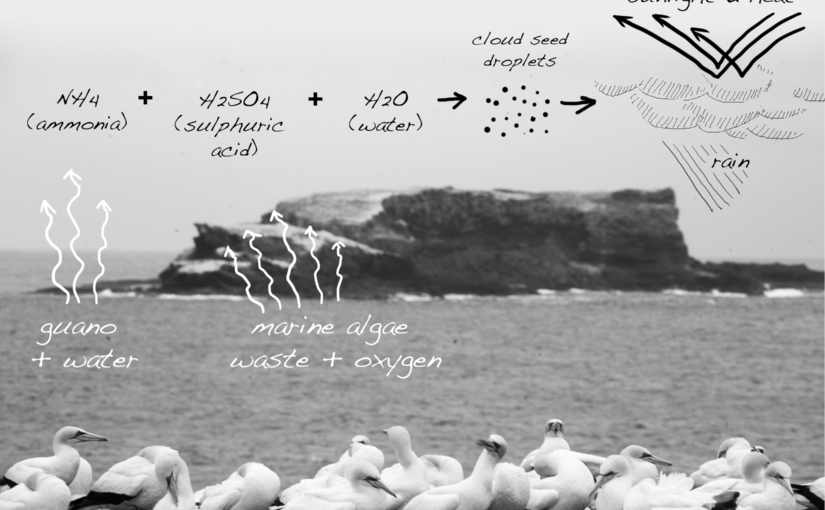
Seabird colonies influence continental rainfall patterns
After brief rainfall in the heat of summer, the stench of ammonia over seabird colonies can be overpowering. Studies have found they can emit as much as 90kg of gaseous ammonia every hour, emitted as downwind plumes after rainfall. Then there are ocean algae, that create a huge amount of a compound called dimethyl sulphide,…
-
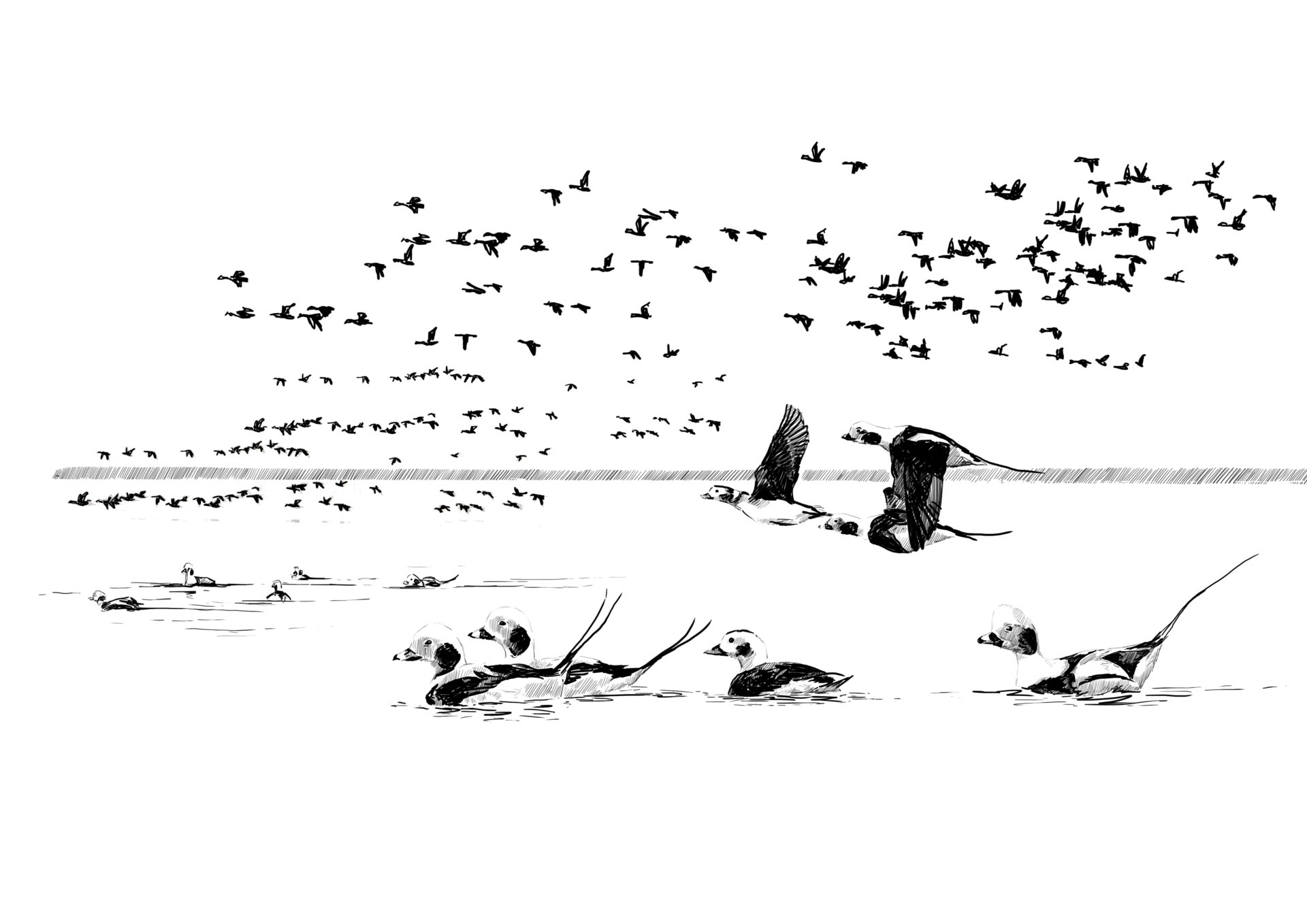
Why are Long-tailed Ducks important?
Whenever I see a wildlife spectacle, I’m always asking myself this question … or I often get asked the same: what is this animal doing here? This isn’t the hardest question to answer, so why don’t our greatest global conservation organisations ask this? And how is leading to terrible outcomes for nature and humanity? In…
-
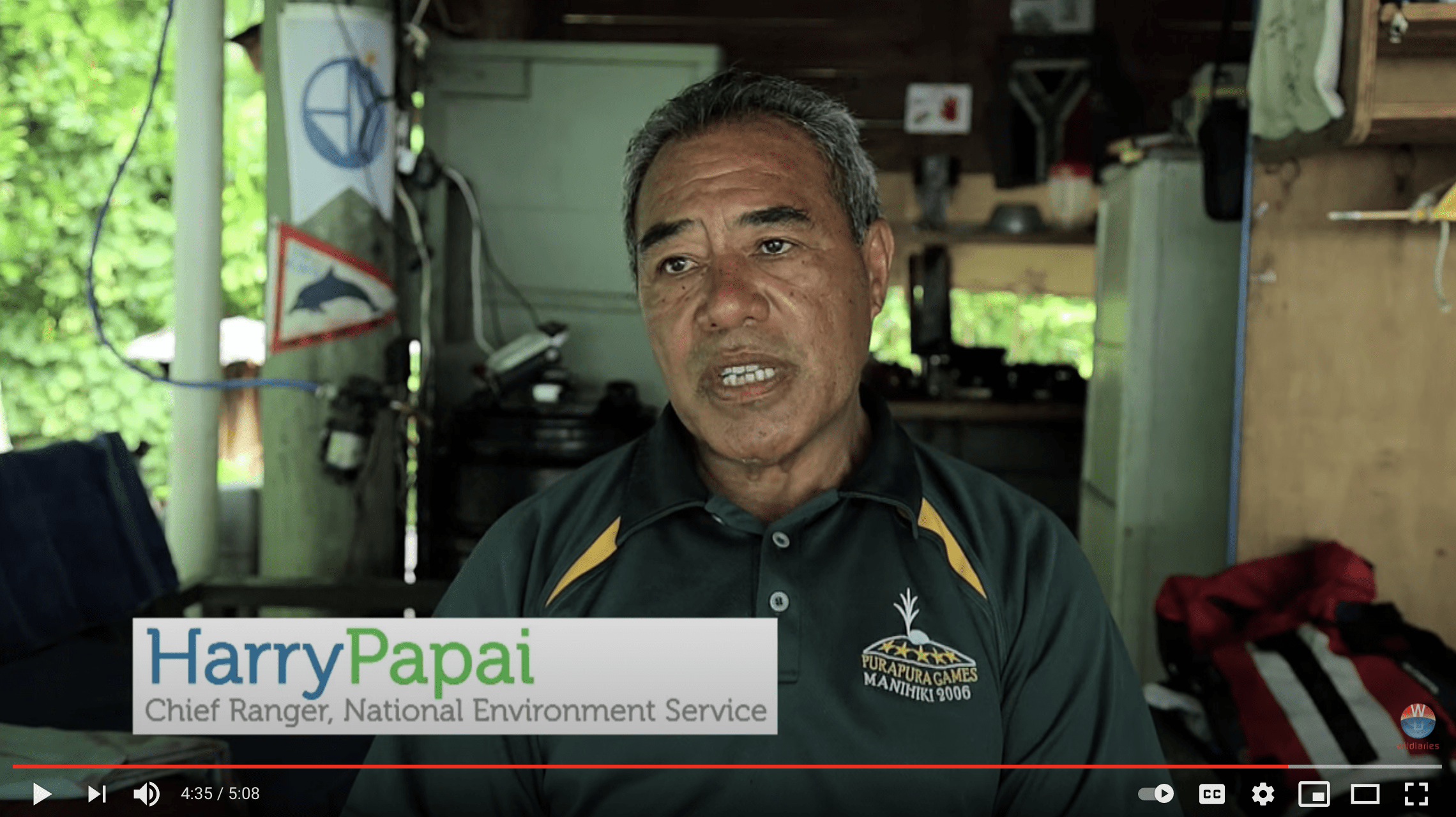
Rat eradication in the Cook Islands: Rat Hunters in Paradise
The necklace of remote Cook Islands landforms is a renowned safe haven for yachties and a sanctuary for 100,000 seabirds birds. But the islets became overrun by unwanted guests. This story is about rat eradication in the Cook Islands. It’s not just about the birds, it’s also a way for saving seabirds and island culture.…