
The importance of the oceans, their wildlife and ecosystems
The land and oceans are part of one system: Earth. So when we ask, why are the oceans important? We’re asking about our own future. Life began in the ocean billions of years before the first plants or animals colonised land. Oceans regulate the state of our atmosphere because they are 99 per cent of the volume of living space for animals and wildlife is the mechanism that drives stability.
Climate change has always been the symptom of biodiversityWhat is the definition of biodiversity? When we ask, what is the definition of biodiversity? It depends on what we want to do with it. The term is widely and commonly misused, leading to significant misinterpretation of the importance of how animals function on Earth and why they matter a great deal, to human survival. Here I will try to More loss … that’s to say, the breakdown of the complex connectivity between lifeforms that allows Earth to flex in response to changing conditions. Ocean wildlife has, for the large part, acted as a buffer against the most catastrophic effects and since about fifty million years ago, has kept our climate quite stable.
Industrial fishing only happened recently in our planet’s history and this reduction in the abundance of wildlife represents our greatest challenge for survival.
Below you will find a range of articles designed to inspire an understanding of the magnitude of animal impact on our oceans.
The importance of whales and dolphins in our oceans
What’s more important, the ocean or the land?
The importance we bestow on the land is anthropocentric because we live there. It’s naturally important to us that we protect it. Nonetheless, if life in the ocean dies, we suffer irreversible changes to land-based ecosystems and climate.
In this article, we take a look at many of the ways that land and oceans are linked together.
The answer to the question, ‘why are the oceans important’, is that we live on the land but the oceans regulate Earth’s temperature. The oceans are equally vital to the land we live on.
Seabirds
Why are frigatebirds important? Like all wildlife, the answer lies in their ability to move. Thousands of generations of birds have developed a bond with …
Latest posts about why the oceans are important
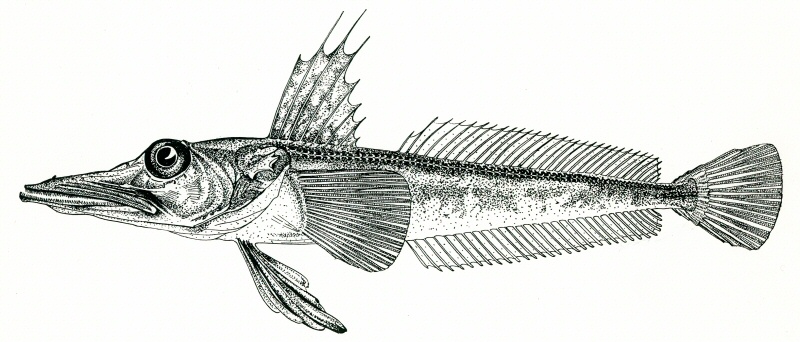
The scale, magnitude and intensity of animal impact all over the world is truly remarkable. Just occasionally an example crops up of something bewildering. In this case, as The Guardian reports, Antarctic scientists have found the nests of 60 million icefish. Stretching over 500km2 the colony is huge, a million times bigger than the maximum 60 nests, previously found.


This led researchers to exclaim that ‘the sheer size of the colony suggests the whole Weddell Sea ecosystem is influenced by these nests.’
There is no need to caveat that suggestion!
Sixty million fish don’t just hover around disconnected from the environment. These fish build construct and recycle the seabed on a huge scale. Icefish co-evolved alongside upwelling in the Weddell Sea, so they are an integral part of the ecosystem, above and around them.
I find it interesting when scientists do not immediately accept the significance of animal impact and the overwhelming importance of these discoveries. The first thing they ask is how it works. We will never know, as the intensity and magnitude of their effect, connects with mind-boggling complexity to Southern Ocean food chains and global food and climate.
Then there will be attempts to ‘protect the ecosystem for the fish’. At this phenomenal scale, the truth is, the fish are the ecosystem and their existence has to be protected. Without the fish there is just seabed. Without ecosystems at this scale (without animals) we lose a big component of our habitable planet.
The scale of icefish impact is not unique
Learn to look carefully and you will find this scale of animal impact occurring everywhere. Even among the soil in your garden you’ll find creatures that colonise the world over. Sadly, many of the most abundant colonial animals, such as the penguins in Antarctica, have declined enormously.
One of the reasons why scientists might find it hard to understand the importance of animals for ecosystems is we are constantly studying habitats devoid of life. Or, we look past the animals, and can only see habitat. Ecologists have never been taught to consider the fact that animals create ecosystems.
Nests of 60 million icefish are a fantastic and rare example of animal impact. At this scale it should be an immediate reminder of how much we depend on wildlife for a habitable Earth.